
Many first-time buyers become confused while shopping because some golf carts run on gasoline, while others rely entirely on electric battery systems. That confusion is exactly why people search are golf carts gas or electric, before investing thousands of dollars into a cart they may use daily. The truth is that golf carts can be either gas-powered or electric-powered, and both types offer very different driving experiences, maintenance needs, operating costs, and long-term benefits. Gas golf carts are often chosen for longer range and continuous use, while electric golf carts have become extremely popular because of their quiet operation, smoother acceleration, and lower maintenance requirements. Understanding are golf carts gas or electric can help buyers avoid expensive purchasing mistakes and choose the right cart for neighborhoods, campgrounds, golf courses, farms, or recreational transportation.

Gas Golf Carts Use Small Combustion Engines
One major reason buyers search are golf carts gas or electric is that many people still do not fully understand how gas golf carts operate. Gas-powered golf carts use small internal combustion engines similar to those found in compact utility vehicles or lawn equipment. These engines run on gasoline and provide continuous power as long as fuel remains available. Gas golf carts are often preferred by owners who drive longer distances daily, tow heavier loads, or use carts for utility work on larger properties. Because refueling only takes a few minutes, gas golf carts are convenient for owners who need consistent operation throughout the day without stopping to recharge batteries.
Electric Golf Carts Run On Battery Power
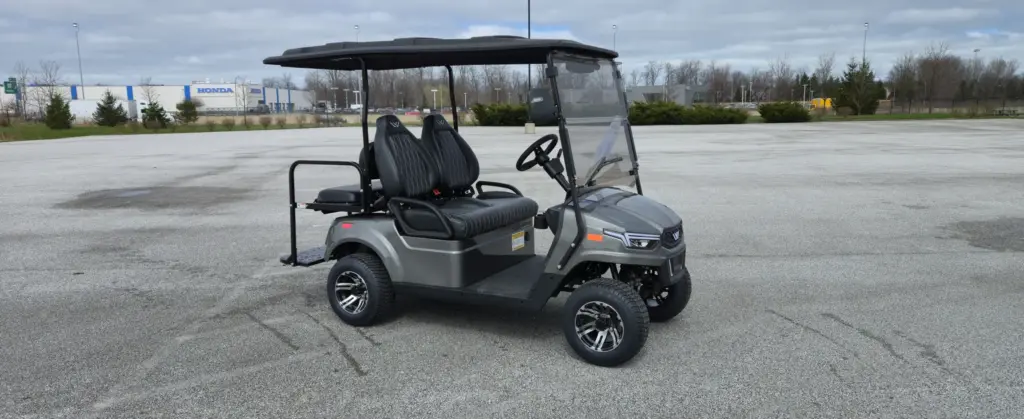
Another important reason people search are golf carts gas or electric is because electric golf carts have become much more advanced in recent years. Electric golf carts use battery-powered electric motors instead of fuel-burning engines. Many newer carts now use lithium battery systems that provide faster charging, longer lifespan, lower maintenance, and smoother acceleration compared to older lead-acid batteries. Electric carts are especially popular in neighborhoods, golf communities, resorts, and campgrounds because they operate quietly and create a much calmer driving experience. Buyers researching modern electric transportation often compare vehicles like the Whisper W3 when evaluating lithium-powered golf carts designed for smooth neighborhood driving and comfortable passenger transportation.
Noise Levels Are Very Different Between Both Types
One overlooked factor tied to are golf carts gas or electric is how much driving noise changes the ownership experience. Gas golf carts produce engine sound and vibration during operation because they rely on combustion engines. Electric golf carts operate much more quietly because electric motors generate very little noise while driving. Many residential communities and golf courses strongly prefer electric carts specifically because they reduce noise pollution. Buyers using carts mainly for recreational cruising or neighborhood transportation often appreciate the peaceful driving experience electric golf carts provide during daily use.
Gas Vs Electric Golf Cart Comparison
Many buyers researching are golf carts gas or electric want direct comparisons before deciding which type fits their needs best. The table below highlights several important differences between the two systems.
| Feature | Gas Golf Cart | Electric Golf Cart |
|---|---|---|
| Power Source | Gasoline engine | Battery-powered motor |
| Noise Level | Louder engine sound | Quiet operation |
| Maintenance | Oil and engine service | Battery and electrical care |
| Driving Range | Longer continuous operation | Limited by battery charge |
| Acceleration Feel | Gradual power delivery | Instant electric torque |
Both gas and electric golf carts offer advantages depending on driving conditions, maintenance preferences, and intended daily usage. Buyers researching electric transportation systems often review information from the U.S. Department of Energy when learning about electric motors, lithium batteries, and charging technology.
Electric Golf Carts Usually Require Less Maintenance
Another major reason people search are golf carts gas or electric is because long-term maintenance differs significantly between both systems. Gas golf carts require oil changes, air filter replacements, fuel system servicing, and occasional engine repairs. Electric golf carts avoid many of those maintenance tasks because they do not use combustion engines. Owners still need to maintain batteries properly, especially with older lead-acid systems, but electric drivetrains generally contain fewer moving parts overall. Many buyers prefer electric golf carts specifically because they often experience lower routine maintenance costs during long-term ownership.
Gas Golf Carts Handle Long Workdays Better
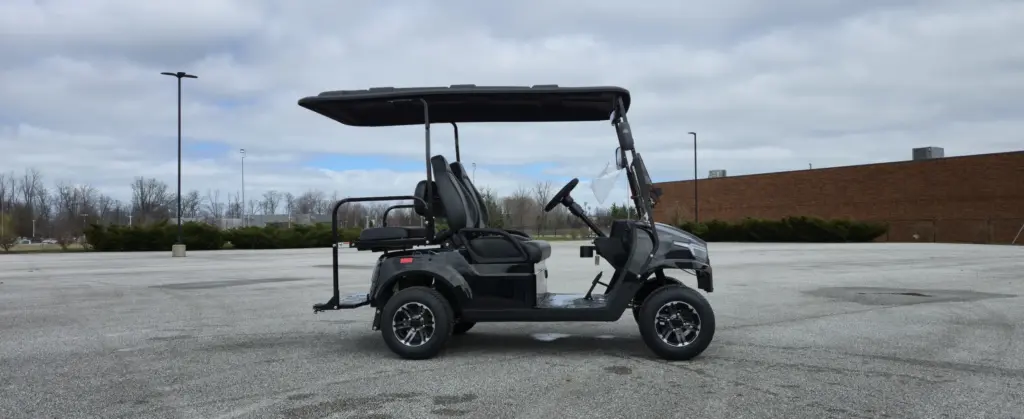
Gas golf carts remain popular among property owners, farms, maintenance crews, and utility users because they can operate continuously as long as fuel is available. Owners using golf carts for landscaping, hauling equipment, towing, or large-property transportation often appreciate not needing long recharge periods during busy workdays. Gas golf carts also tend to perform consistently during extended operation without losing power as the battery charge decreases. Utility-focused buyers often prioritize driving range and convenience more heavily than quiet operation alone.
Electric Technology Has Improved Rapidly
The answer to are golf carts gas or electric keeps evolving because electric golf cart technology has improved dramatically over the last decade. Modern lithium battery systems now provide longer range, shorter charging times, lighter weight, and far less maintenance compared to older battery technology. Buyers researching long-term electric ownership frequently review guides like How To Charge Golf Cart Batteries to better understand charging habits, battery lifespan, and electric golf cart maintenance. Improvements in battery performance have made electric golf carts much more practical for everyday transportation than they were years ago.
Terrain And Driving Habits Matter A Lot
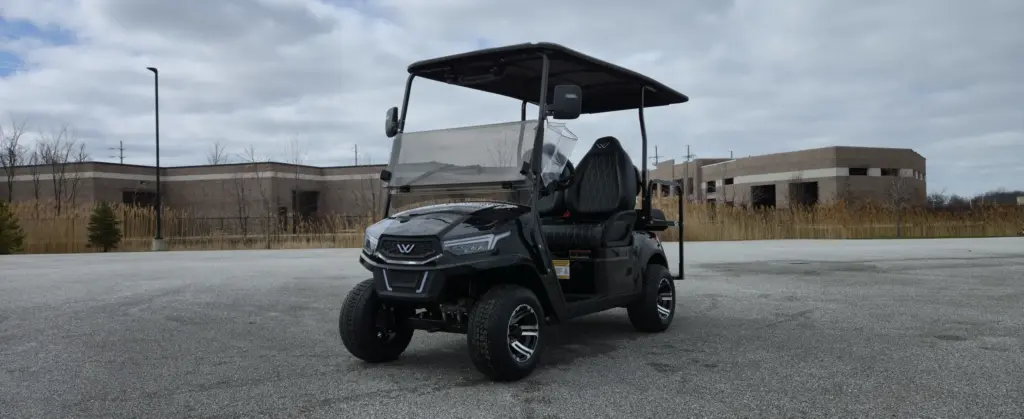
Whether buyers choose gas or electric often depends heavily on how and where the golf cart will actually be used. Neighborhood communities and golf courses frequently favor electric golf carts because of lower noise and cleaner operation. Farms, hunting properties, and utility-focused owners may prefer gas-powered carts because of extended driving range and easier refueling. Buyers should evaluate terrain, passenger load, daily mileage, charging availability, and towing needs carefully before deciding which system fits their lifestyle best. Matching the golf cart to realistic daily use creates a much better long-term ownership experience.
Both Systems Offer Strong Advantages
Many buyers searching are golf carts gas or electric, eventually realize there is no universal answer for which type is better. Gas golf carts provide longer operating range and fast refueling, while electric golf carts deliver quieter operation, smoother acceleration, and lower maintenance. The better option depends entirely on driving habits, maintenance expectations, and intended use. Buyers who carefully compare both systems before purchasing usually make smarter long-term transportation decisions and avoid expensive ownership frustrations later.
Conclusion
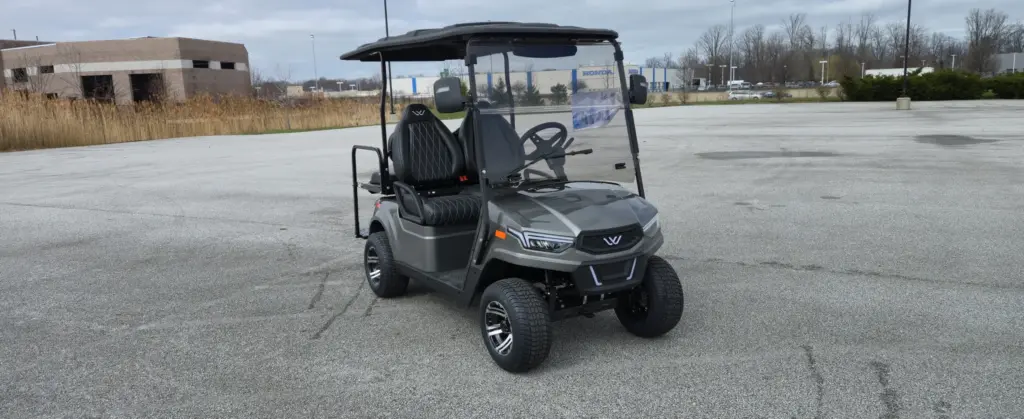
The answer to are golf carts gas or electric is that both types remain extremely popular for different reasons. Gas golf carts are commonly chosen for utility work, longer driving range, and continuous operation, while electric golf carts are preferred for quiet neighborhood transportation, smoother driving, and reduced maintenance. Buyers who evaluate their terrain, maintenance preferences, and daily transportation needs carefully usually choose the system that provides the best ownership experience long term. Anyone looking for modern golf carts, electric transportation solutions, or recreational vehicles can visit Mentor Golf Carts & Trailers for additional information and available inventory options.