
Golf clubs are carefully designed with specific lengths to help golfers create consistent swings, proper ball contact, and reliable distance control. That is exactly why many golfers search how do you measure the length of a golf club before buying new clubs, adjusting existing equipment, or ordering custom-fitted sets. Measuring golf club length properly requires placing the club in the correct position and measuring from the end of the grip down to the clubhead according to standard fitting methods. Even small differences in club length can affect swing mechanics, posture, comfort, and shot consistency significantly. Knowing how do you measure the length of a golf club helps golfers choose properly fitted equipment and improve overall performance on the course.
Golf Club Length Affects Swing Mechanics
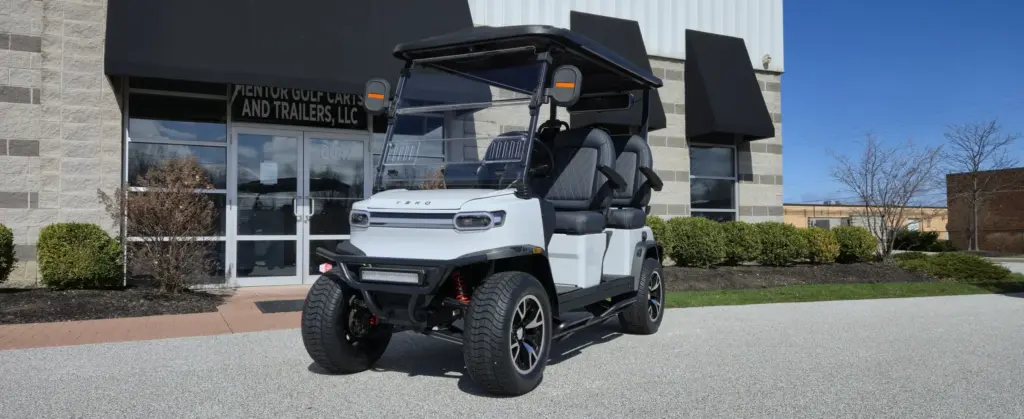
The first thing golfers should understand when learning how do you measure the length of a golf club is that club length directly affects swing mechanics and posture. Clubs that are too long may force golfers to stand too upright and lose control during swings, while clubs that are too short can create uncomfortable posture and inconsistent contact. Proper club length helps golfers maintain balanced swing positions and cleaner ball striking throughout the round. Golfers who spend time in golf communities and recreational properties often compare vehicles like the Dach Apollo Elite Rider when researching premium golf carts designed for smooth golf lifestyle transportation.
Different Clubs Have Different Standard Lengths
Another major reason people search how do you measure the length of a golf club is that every club category uses different standard lengths. Drivers are usually the longest clubs in a golf bag because they are designed for maximum distance off the tee. Fairway woods, hybrids, irons, wedges, and putters gradually become shorter as loft increases and shot precision becomes more important. Standard club lengths vary slightly between manufacturers, but the overall progression from long to short clubs remains similar throughout most golf sets.
Measuring Position Matters A Lot
One overlooked factor tied to how do you measure the length of a golf club is the actual measuring position itself. Golf clubs should not simply be measured while lying flat on the ground because clubhead shape and lie angle affect measurement accuracy. Instead, clubs are typically positioned with the sole resting naturally against the floor while the shaft sits at its proper playing angle. Measuring incorrectly may produce inaccurate fitting information and lead to poor equipment decisions.
Common Golf Club Length Ranges
Many golfers researching how do you measure the length of a golf club also want a basic overview of common club lengths before comparing equipment. The table below highlights approximate standard club lengths for several club categories.
| Golf Club Type | Approximate Length |
|---|---|
| Driver | 44-46 Inches |
| Fairway Wood | 42-43 Inches |
| Hybrid | 39-41 Inches |
| 5 Iron | 37-38 Inches |
| Pitching Wedge | 35-36 Inches |
| Putter | 32-35 Inches |
Actual club lengths vary depending on manufacturer specifications, player fitting preferences, and custom modifications.
Golfers researching official club equipment standards and fitting guidelines often review information from the United States Golf Association when learning about legal club specifications and equipment regulations.
Height Alone Does Not Determine Club Length
Many beginner golfers assume taller players automatically need longer clubs, but proper fitting involves much more than overall height alone. Arm length, posture, swing mechanics, flexibility, and wrist-to-floor measurements all affect ideal club length recommendations. Some taller golfers actually prefer standard-length clubs, while shorter players occasionally use slightly longer clubs depending on swing style. Professional club fitting evaluates multiple physical factors together instead of relying only on height measurements.
Custom Fitting Improves Consistency
Another important reason golfers search how do you measure the length of a golf club is that custom fitting has become increasingly popular. Properly fitted clubs often improve consistency, comfort, and swing efficiency significantly. During custom fitting sessions, professionals evaluate club length, shaft flex, lie angle, grip size, and swing characteristics using launch monitors and swing analysis systems. Well-fitted clubs help golfers create more repeatable swing mechanics and cleaner ball contact over time.
Incorrect Club Length Creates Common Problems
Golfers using clubs that are too long or too short often develop swing compensation habits that hurt consistency and ball striking. Clubs that are too long may encourage standing upright or swinging excessively flat, while clubs that are too short may force players into awkward posture positions. These fitting problems can affect accuracy, distance control, and even physical comfort during long rounds. Many golfers improve immediately after correcting poorly fitted club lengths.
Grip Changes Can Slightly Affect Measurement
One detail many golfers overlook while learning how do you measure the length of a golf club is that grip installation may slightly affect total club length. Replacement grips sometimes vary slightly in cap thickness or installation depth. While these differences are usually small, competitive golfers and professional fitters often measure clubs carefully after regripping to maintain consistent specifications throughout the set.
Golf Club Maintenance Matters Too
Club fitting works best when equipment remains properly maintained over time. Dirty grooves, worn grips, damaged shafts, and neglected clubheads can reduce performance even if the clubs are fitted correctly. Many golfers researching club measurements also review resources like How Many Golf Clubs Can You Have In Your Bag to better understand equipment organization and golf setup considerations.
Modern Golf Equipment Continues Evolving
Golf manufacturers continue adjusting club lengths and equipment design as technology evolves. Modern drivers are often longer than those of older generations because manufacturers pursue greater swing speed and distance potential. However, longer clubs do not automatically guarantee better performance because control and consistency still matter greatly. Many golfers actually perform better with slightly shorter clubs that improve center-face contact and accuracy.
Understanding Club Length Helps Every Golfer
Even recreational golfers benefit from understanding basic club fitting principles because poorly sized equipment affects nearly every part of the golf swing. Learning how to measure clubs properly helps golfers compare equipment more confidently, evaluate used clubs accurately, and communicate more effectively during fitting sessions. Proper club length contributes heavily to comfort, consistency, and long-term swing development.
Conclusion
Learning how do you measure the length of a golf club helps golfers choose equipment that improves comfort, swing mechanics, and shot consistency. Proper measurement involves positioning the club correctly and measuring from the end of the grip to the clubhead according to standard fitting practices. Club length affects posture, balance, distance control, and overall swing efficiency significantly. Golfers using properly fitted clubs often experience improved confidence and more consistent ball striking during play. Understanding club measurements also helps players make smarter equipment decisions when buying, fitting, or replacing clubs. Anyone looking for golf lifestyle transportation, premium golf carts, or recreational vehicles can visit Mentor Golf Carts & Trailers for additional information and available inventory.