
Trailer shopping often starts with a basic budget in mind, but pricing can change quickly once factors like trailer size, weight capacity, construction materials, added features, and hauling needs come into the picture. Therefore, it’s smart to understand how much does a trailer cost before purchasing equipment for hauling vehicles, landscaping gear, recreational vehicles, construction tools, or outdoor equipment. Small utility trailers may cost only a few thousand dollars, while larger enclosed trailers, equipment haulers, and specialty trailers can easily reach much higher price ranges. Understanding what affects trailer pricing helps buyers choose the right trailer without overspending or purchasing equipment that cannot safely handle their hauling needs.
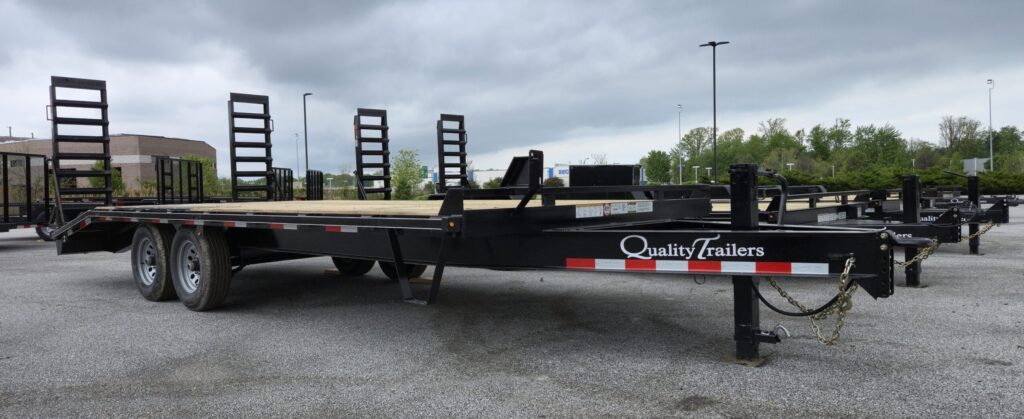
Trailer Type Has The Biggest Impact On Cost
The largest factor affecting how much does a trailer cost is the type of trailer being purchased. Small open utility trailers designed for light hauling usually cost much less than enclosed cargo trailers, car haulers, dump trailers, or heavy-duty equipment trailers. Some buyers only need simple transportation for small loads, while others require stronger trailers capable of hauling tractors, golf carts, side-by-sides, or commercial equipment regularly. Choosing the correct trailer type early helps narrow pricing expectations significantly.
Utility Trailers Are Usually The Most Affordable
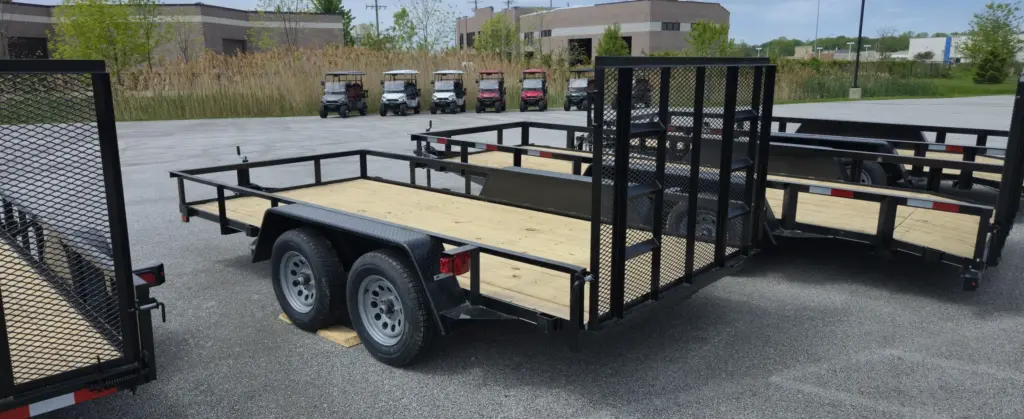
Basic utility trailers are often the least expensive option because they use simpler frames and open designs. These trailers are commonly used for lawn equipment, small furniture loads, home improvement supplies, and light recreational hauling. Smaller utility trailers may cost only a few thousand dollars, depending on size and axle configuration. However, lower pricing does not always mean better long-term value if the trailer lacks the weight capacity or durability needed for regular hauling.
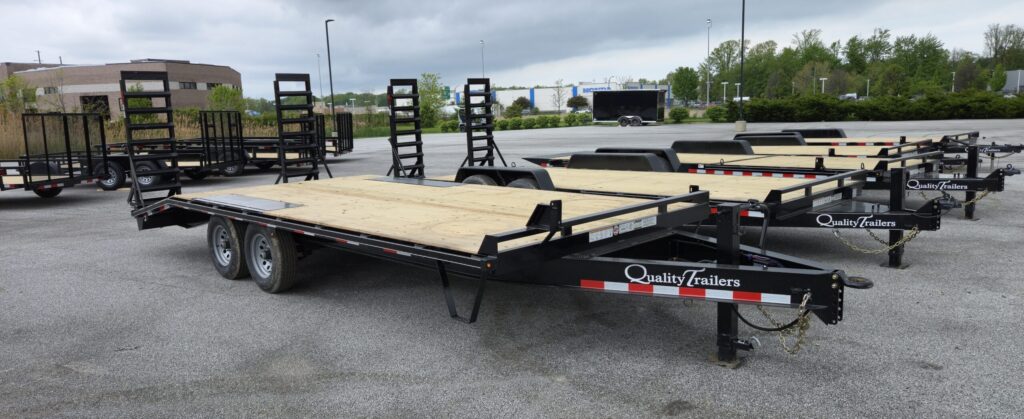
Enclosed Trailers Usually Cost More
One major reason buyers search how much does a trailer cost is that enclosed trailers can become significantly more expensive than open trailers. Enclosed trailers provide weather protection, cargo security, and safer transportation for tools, motorcycles, and valuable equipment. Features like interior lighting, upgraded flooring, rear ramps, insulation, and additional height also increase pricing quickly. Buyers should carefully compare how often the trailer will actually need enclosed protection before paying for extra features.
Average Trailer Price Ranges
Trailer pricing depends heavily on trailer size, material quality, axle ratings, and intended use. The table below highlights common trailer price ranges buyers often encounter.
| Trailer Type | Typical Price Range |
|---|---|
| Small Utility Trailer | $1,000-$3,000 |
| Landscape Trailer | $2,000-$5,000 |
| Enclosed Cargo Trailer | $4,000-$10,000+ |
| Equipment Trailer | $5,000-$15,000+ |
| Dump Trailer | $8,000-$20,000+ |
Actual pricing depends on trailer size, axle setup, braking systems, material quality, and optional upgrades.
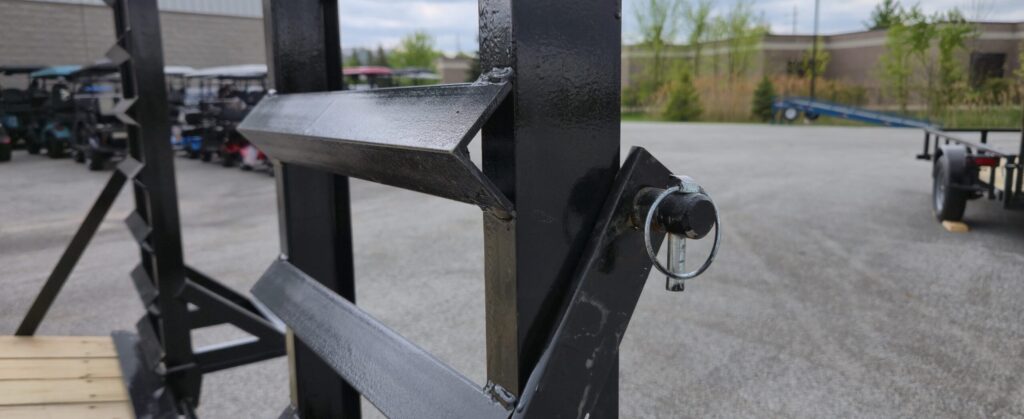
Trailer Size Affects Price Quickly
One overlooked factor tied to how much does a trailer cost is how quickly pricing rises with trailer size. Larger trailers require more steel, stronger axles, heavier-duty suspension systems, larger tires, and upgraded braking equipment. A small difference in trailer length may create a surprisingly large jump in total cost because of these structural upgrades. Buyers should focus on realistic hauling needs instead of automatically choosing the largest trailer available.
Weight Capacity Matters More Than Appearance
Some first-time buyers focus heavily on trailer appearance while overlooking payload capacity and axle ratings. A trailer may look large enough visually while still lacking the structural strength needed for heavier equipment. Buyers hauling golf carts, tractors, construction materials, or side-by-sides should always verify Gross Vehicle Weight Rating and payload limits carefully before purchasing. Overloading a trailer creates serious safety risks and may shorten trailer’s lifespan significantly.
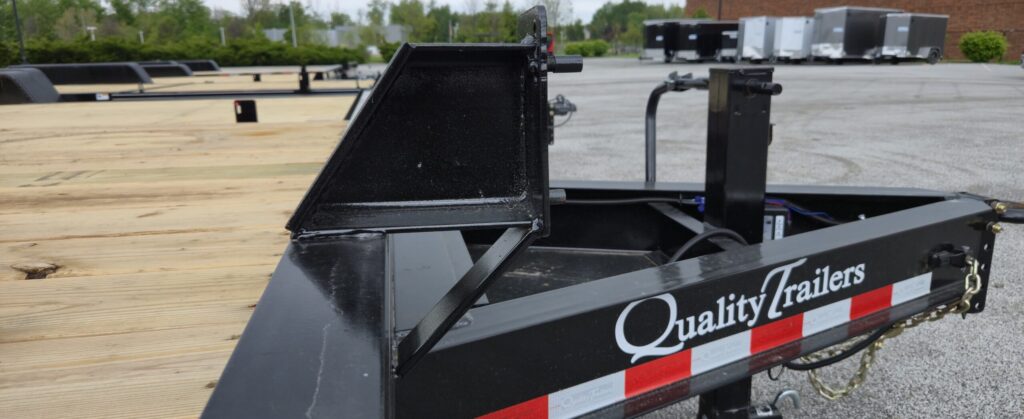
Steel And Aluminum Trailers Have Different Costs
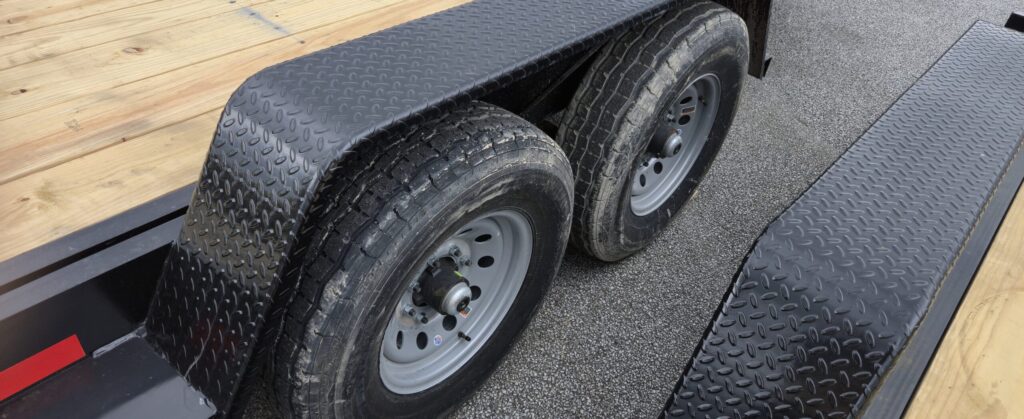
Material choice strongly affects trailer pricing and long-term maintenance expectations. Steel trailers are usually more affordable upfront and remain extremely common for utility and equipment hauling. Aluminum trailers generally cost more initially but resist rust better and weigh less overall. Buyers in areas with snow, rain, and road salt often consider aluminum trailers because corrosion resistance becomes more important during long-term ownership.
Trailer Brakes Increase Pricing
Larger trailers often require braking systems to meet safety regulations and improve towing control. Electric trailer brakes, brake controllers, upgraded axles, and breakaway systems all increase trailer pricing. However, these safety upgrades become extremely important when hauling heavier equipment or driving on highways, hills, or wet roads. Trailer brakes improve stopping stability significantly during emergencies.
Golf Cart And Equipment Owners Need Stronger Trailers
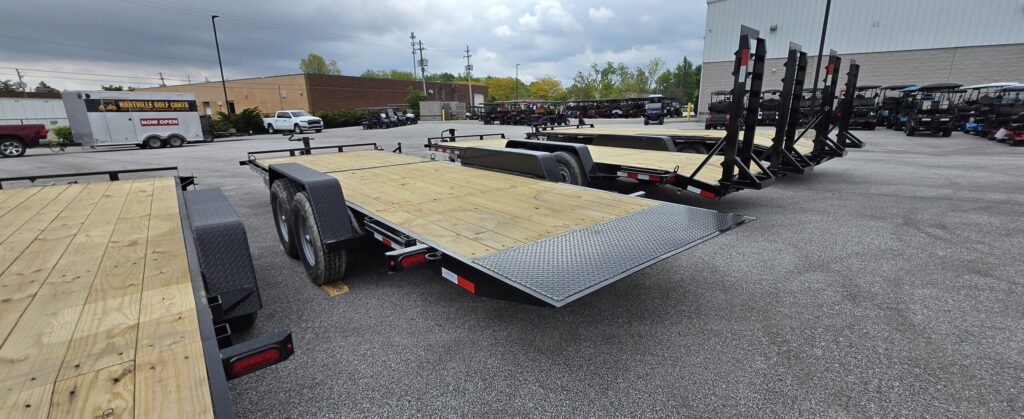
Many buyers searching how much does a trailer cost are specifically hauling recreational vehicles or outdoor equipment. Golf carts, side-by-sides, and utility vehicles often require stronger trailers with higher weight ratings and better loading angles. Buyers transporting recreational equipment frequently compare options like the Quality Trailers 82×22 Split Tilt Fender Equipment Trailer because larger equipment trailers provide safer loading, better stability, and improved hauling capacity for heavier vehicles.
Used Trailers May Save Money Initially
Some buyers reduce upfront cost by purchasing used trailers instead of new models. While used trailers may provide significant savings, buyers should inspect frames, welds, brakes, tires, lighting systems, and flooring carefully before purchasing. Rust, bent frames, axle wear, and neglected maintenance can quickly turn a cheap trailer into an expensive repair project. Thorough inspection matters heavily with used trailer purchases.
Trailer Features Increase Cost Fast
Optional trailer upgrades can raise pricing much faster than many buyers expect. Features like tilt decks, hydraulic systems, spare tire mounts, upgraded ramps, LED lighting, reinforced flooring, tandem axles, and storage boxes all add cost. Buyers should decide which features are truly necessary for long-term hauling needs instead of paying for upgrades that may rarely be used.
Local Weather Can Affect Trailer Longevity
Owners in Northeast Ohio and similar climates should think carefully about trailer durability because road salt, rain, snow, and seasonal moisture can accelerate rust and corrosion significantly. Regular washing, proper storage, and rust prevention treatments help improve trailer lifespan over time. Buyers planning long-term ownership often prioritize stronger coatings, better paint protection, and corrosion-resistant materials because of harsh winter conditions.
Towing Vehicle Compatibility Matters Too
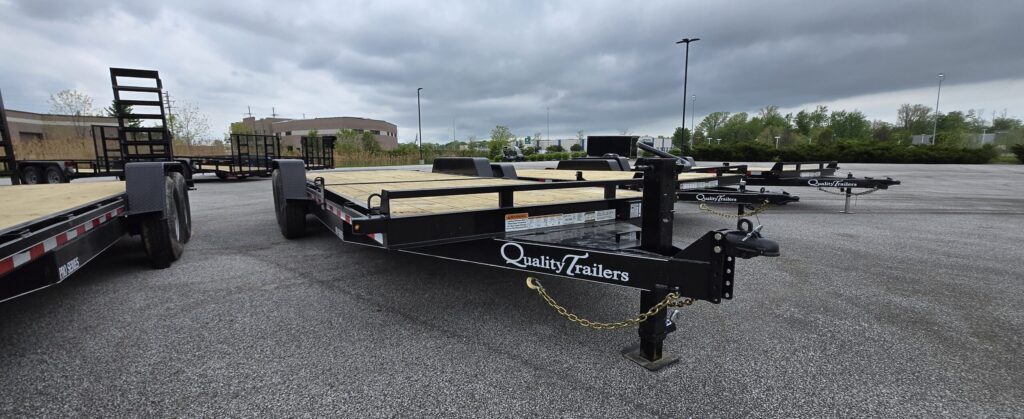
One major mistake buyers make while researching how much does a trailer cost is ignoring tow vehicle limitations. Larger trailers require stronger trucks, higher towing capacity, and better braking systems. Purchasing a trailer heavier than the tow vehicle can safely handle creates dangerous towing conditions and may damage both vehicles. Buyers should always verify towing ratings carefully before choosing trailer size.
Trailer Maintenance Adds Long-Term Costs
Trailer ownership includes more than the initial purchase price alone. Tire replacement, bearing maintenance, brake servicing, lighting repairs, registration fees, and occasional suspension work all contribute to long-term ownership expenses. Buyers who maintain trailers properly usually experience a much longer lifespan and fewer roadside breakdowns over time.
Recreational Transportation Continues Growing
One reason searches for how much does a trailer cost continue increasing is that recreational transportation keeps growing in popularity. Campers, outdoor enthusiasts, golf cart owners, and property owners increasingly rely on trailers for moving recreational equipment safely between locations. Many buyers also compare hauling equipment alongside recreational vehicles like the Landmaster Classic N6 when evaluating transportation solutions for larger outdoor properties and recreational use.
Proper Trailer Setup Improves Safety
Safe towing depends on much more than trailer size alone. Weight distribution, tongue weight, tire pressure, hitch quality, and proper cargo tie-downs all affect towing safety significantly. Buyers should always balance loads carefully and inspect safety equipment before traveling long distances with trailers. Proper setup helps improve towing control while reducing accident risk on highways and uneven roads.
Trailer Buyers Often Underestimate Future Needs
Some buyers purchase small, inexpensive trailers initially, only to outgrow them quickly after upgrading equipment or adding heavier loads later. Choosing a trailer with slightly more capacity than currently needed often provides better long-term flexibility and ownership value. Buyers should think about future hauling plans instead of focusing only on current transportation needs.
Trailer Safety Awareness Continues Increasing
Organizations like Trailer Life continue emphasizing proper towing safety, weight ratings, and trailer maintenance because overloaded or poorly maintained trailers create serious highway risks every year. Understanding trailer capacity and safe towing practices helps protect both equipment and passengers during transport.
Conclusion
The answer to how much does a trailer cost depends heavily on trailer type, size, weight capacity, materials, and optional features. Small utility trailers may cost only a few thousand dollars, while enclosed trailers and heavy-duty equipment haulers can become much more expensive depending on hauling needs. Buyers who focus on realistic towing requirements, trailer durability, and long-term maintenance usually make much smarter purchasing decisions overall. Choosing the correct trailer size and safety equipment matters far more than simply finding the lowest upfront price. Anyone exploring trailers, towing equipment, or hauling solutions can visit Mentor Golf Carts & Trailers Service Department for additional information and support.