
Many people see the term LSV while shopping for golf carts or neighborhood vehicles, but are unsure what it actually means or why it matters. That confusion is exactly why many buyers search what is an LSV before purchasing a golf cart for public road use. LSV stands for Low-Speed Vehicle, which is a street-legal vehicle category designed for roads with lower posted speed limits. Unlike standard golf carts built mainly for golf-course use, LSVs include additional safety equipment required for public-road operation in many states. Understanding what is an LSV helps buyers avoid registration mistakes, improve safety, and choose the right vehicle for neighborhood transportation and everyday local driving.
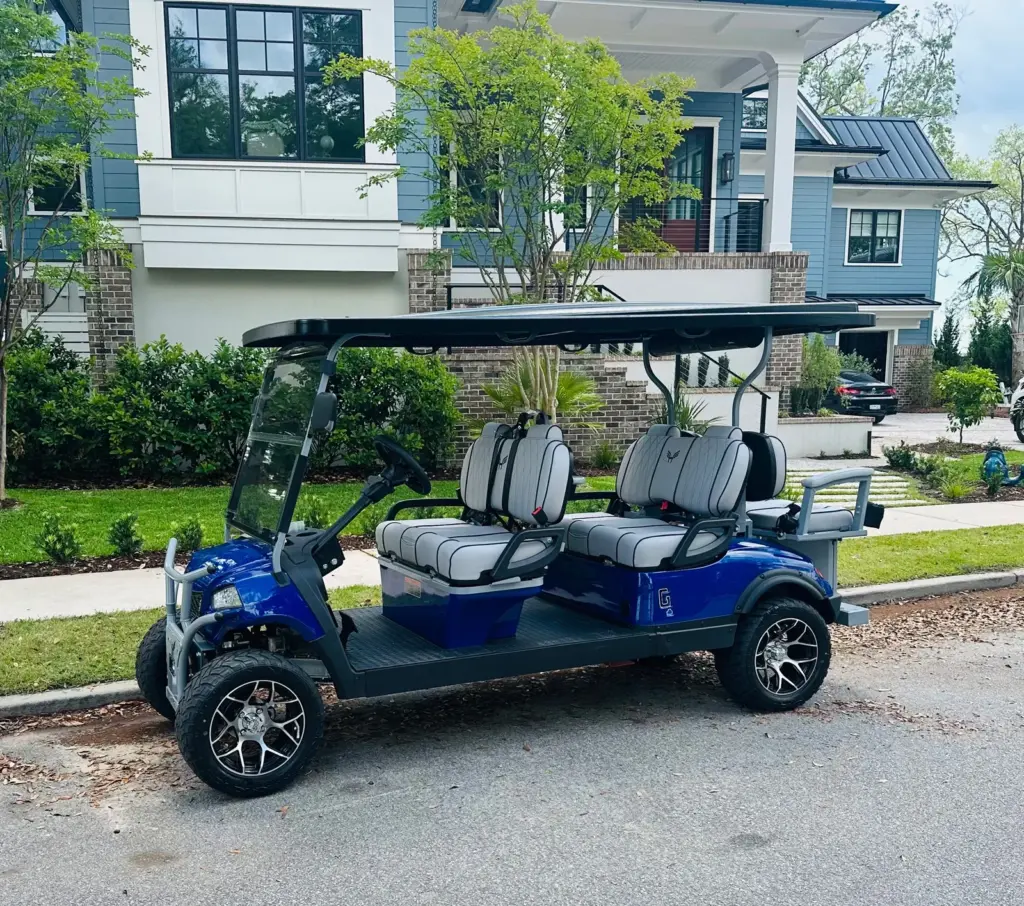
LSV Means Low-Speed Vehicle
The direct answer to what is an LSV is Low-Speed Vehicle. These vehicles are designed to operate on roads with lower speed limits and usually travel at speeds between 20 and 25 miles per hour. LSVs are commonly used in neighborhoods, beach communities, retirement areas, campgrounds, and planned residential developments where short-distance transportation is more practical than using full-size vehicles. Many buyers choose LSVs because they offer quieter operation, easier parking, and lower operating costs for local travel.
LSVs Are Different From Standard Golf Carts
One major reason people search what is an LSV is because they often confuse LSVs with regular golf carts. Traditional golf carts are generally designed for golf-course transportation and may not include the equipment necessary for public-road driving. LSVs must meet specific legal safety requirements before they can operate on many public streets. This distinction becomes extremely important for buyers planning to use the vehicle beyond golf courses or private property.
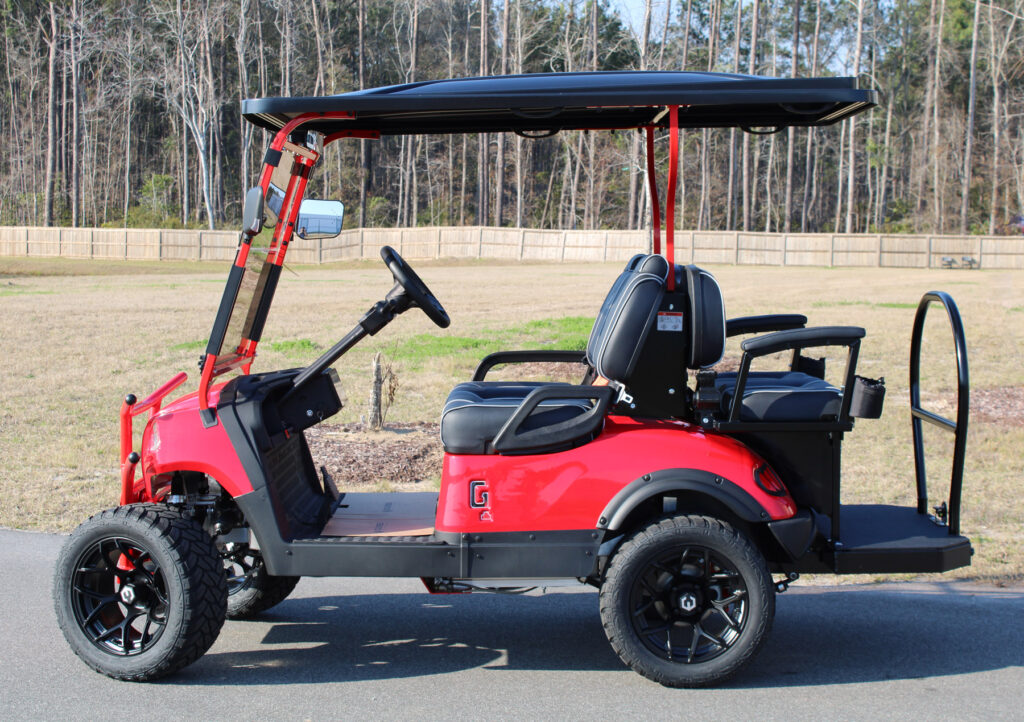
Street Legal Equipment Is Usually Required
Another important factor connected to what is an LSV is the additional safety equipment required for road use. Most LSVs include headlights, brake lights, turn signals, mirrors, windshields, seat belts, reflectors, and VIN numbers for registration purposes. These features help improve visibility and passenger protection when driving near regular traffic. Buyers researching neighborhood transportation often compare options like the Teko Trophy because modern electric golf carts increasingly include the features needed for comfortable local driving and street-legal operation.
Common LSV Requirements
Requirements for Low-Speed Vehicles can vary slightly depending on state laws, but most LSVs must meet similar safety standards. The table below highlights common features typically required for legal road operation.
| LSV Requirement | Purpose |
|---|---|
| Headlights | Night visibility |
| Brake Lights | Improves traffic safety |
| Turn Signals | Signals driving direction |
| Seat Belts | Passenger protection |
| Mirrors | Traffic awareness |
| VIN Number | Registration and identification |
Buyers should always verify local regulations because LSV laws can differ between states and municipalities.
LSVs Usually Operate On Lower Speed Roads
One overlooked detail tied to what is an LSV is where these vehicles can legally operate. Most states limit LSV use to roads with lower posted speed limits, often around 35 miles per hour or lower. LSVs are not designed for highway travel or high-speed traffic conditions. Their purpose is short-distance transportation within communities, neighborhoods, and local areas where lower-speed driving is safer and more practical. Organizations like SafeWise regularly discuss neighborhood vehicle safety and low-speed transportation trends as these vehicles become more common in residential communities.
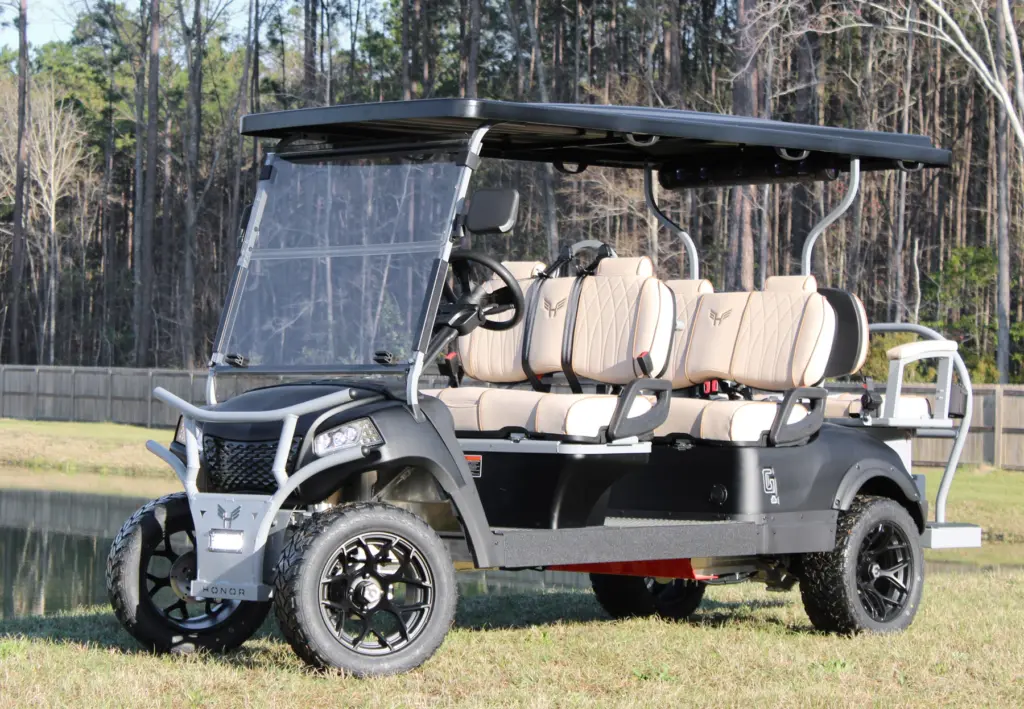
Electric Power Has Made LSVs More Popular
Modern electric vehicle technology has helped increase the popularity of LSVs significantly. Electric LSVs operate quietly, require less routine engine maintenance, and offer smoother acceleration compared to many older gas-powered recreational vehicles. Buyers interested in electric transportation often explore resources like how do electric bikes work when comparing different forms of battery-powered local transportation and neighborhood mobility options.
LSVs Are Common In Residential Communities
Many planned communities, resorts, and retirement neighborhoods encourage or even rely heavily on Low-Speed Vehicles for daily transportation. Residents often use LSVs for local errands, visiting neighbors, traveling to recreational facilities, or moving around large properties conveniently. Their smaller size and quieter operation make them especially useful in areas where full-size vehicle traffic is less necessary for short local trips.
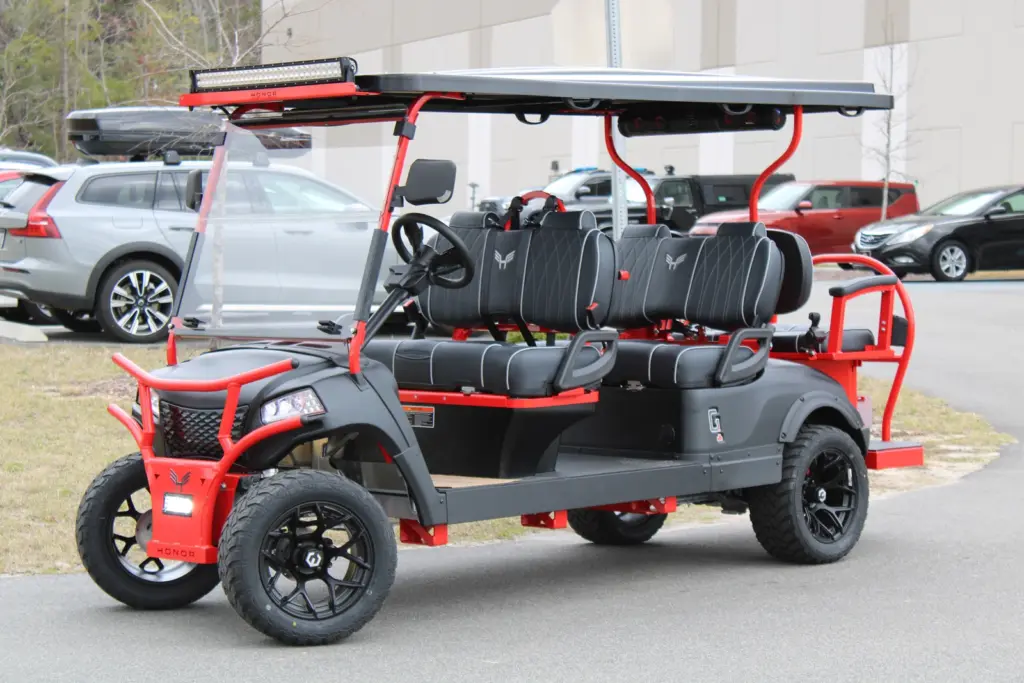
Cold Ohio Winters Can Affect Electric LSV Performance
Owners in Northeast Ohio and similar climates should understand that cold weather can affect battery performance and charging efficiency for electric LSVs. Winter storage, indoor charging, and regular battery maintenance all help improve long-term reliability during colder months. Owners who properly maintain batteries and avoid prolonged freezing exposure usually experience much more dependable electric vehicle performance year-round.
Registration And Insurance May Be Required
Many buyers researching what is an LSV are surprised to learn that Low-Speed Vehicles often require registration, insurance, and valid driver’s licensing just like traditional motor vehicles. Requirements vary depending on local laws and intended road use. Buyers should always confirm DMV regulations carefully before operating LSVs on public streets because legal requirements may differ significantly between states and municipalities.
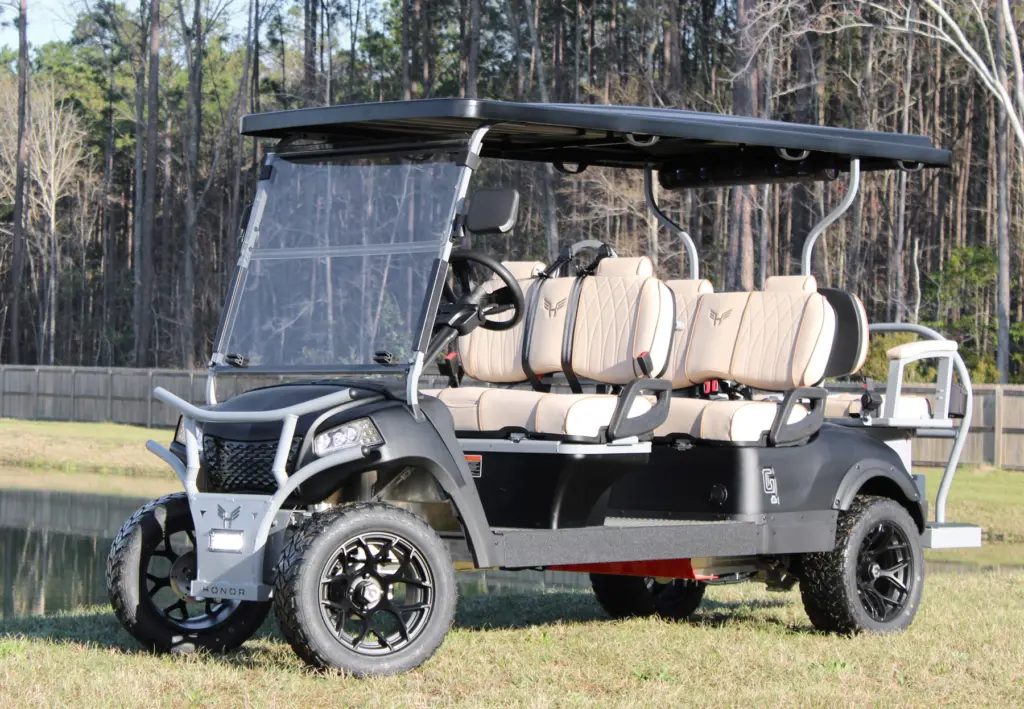
LSVs Continue Expanding Beyond Golf Communities
While golf communities helped popularize LSVs initially, these vehicles are now used in many different environments, including campgrounds, beach towns, outdoor events, industrial facilities, and recreational properties. Property owners looking for practical outdoor transportation sometimes compare LSVs with utility-focused options like the Landmaster Classic N6 when evaluating vehicles for larger properties, maintenance work, and recreational use.
Safety And Responsible Driving Still Matter
Even though LSVs operate at lower speeds than traditional passenger vehicles, safe driving practices remain extremely important. Seat belts, proper lighting, cautious turning, and responsible passenger limits all help reduce accident risk. Drivers should always remember that LSVs share roads with larger vehicles in many communities, making visibility and awareness especially important during operation.
Understanding LSV Laws Prevents Expensive Mistakes
Many buyers assume all golf carts automatically qualify for road use, only to discover later that registration, equipment upgrades, or legal modifications are still required. Understanding the difference between standard golf carts and true Low-Speed Vehicles helps buyers avoid expensive conversion mistakes and unexpected legal problems later.
Conclusion
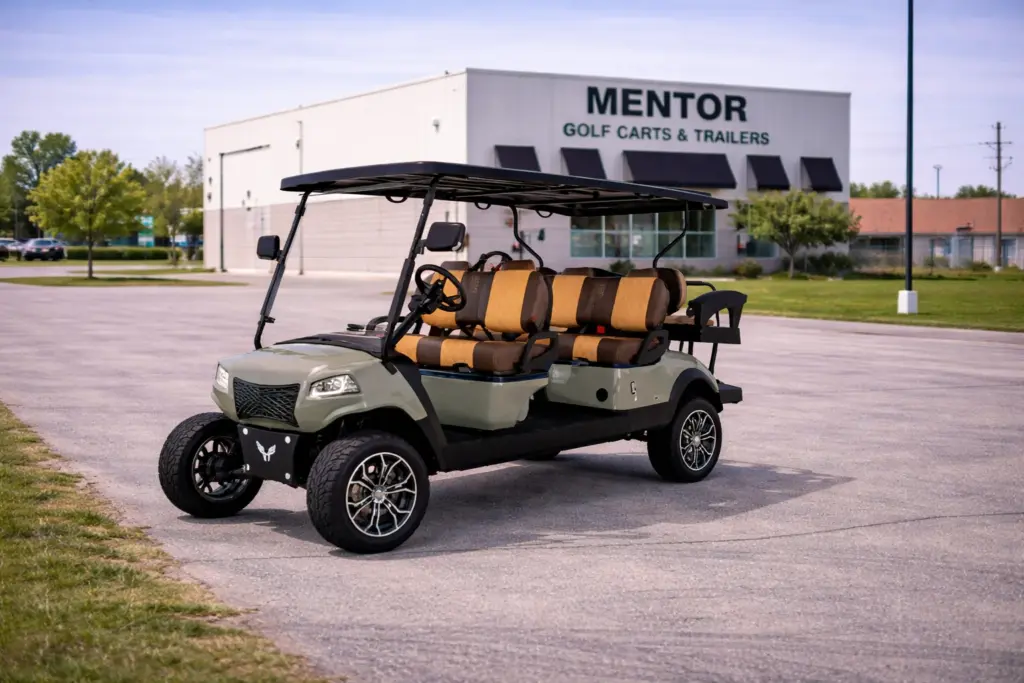
An LSV, or Low-Speed Vehicle, is a street-legal vehicle category designed for lower-speed public roads and neighborhood transportation. Unlike standard golf carts, LSVs include required safety equipment like headlights, mirrors, seat belts, and turn signals for legal road use in many areas. Their growing popularity comes from quieter operation, convenient local transportation, and lower operating costs for short-distance travel. Buyers who understand local regulations, charging needs, and safety requirements usually make much smarter long-term ownership decisions overall. Anyone exploring electric golf carts, neighborhood vehicles, or street-legal transportation can visit Mentor Golf Carts & Trailers for additional information and available inventory.