
You may casually use the term motor bike without realizing that legal definitions can vary depending on engine size, speed capability, and local transportation laws. Therefore, you must know is a motor bike a vehicle before registering one, riding on public roads, or checking license requirements. In most situations, a motor bike is legally considered a vehicle because it uses a motorized power source for transportation on roads or public areas. However, the exact legal classification may differ depending on whether the motor bike is gas-powered, electric, street legal, or limited to off-road use. Understanding is a motor bike a vehicle that helps riders avoid licensing problems, registration issues, and misunderstandings about where motor bikes can legally operate.
Most Motor Bikes Are Legally Classified As Vehicles
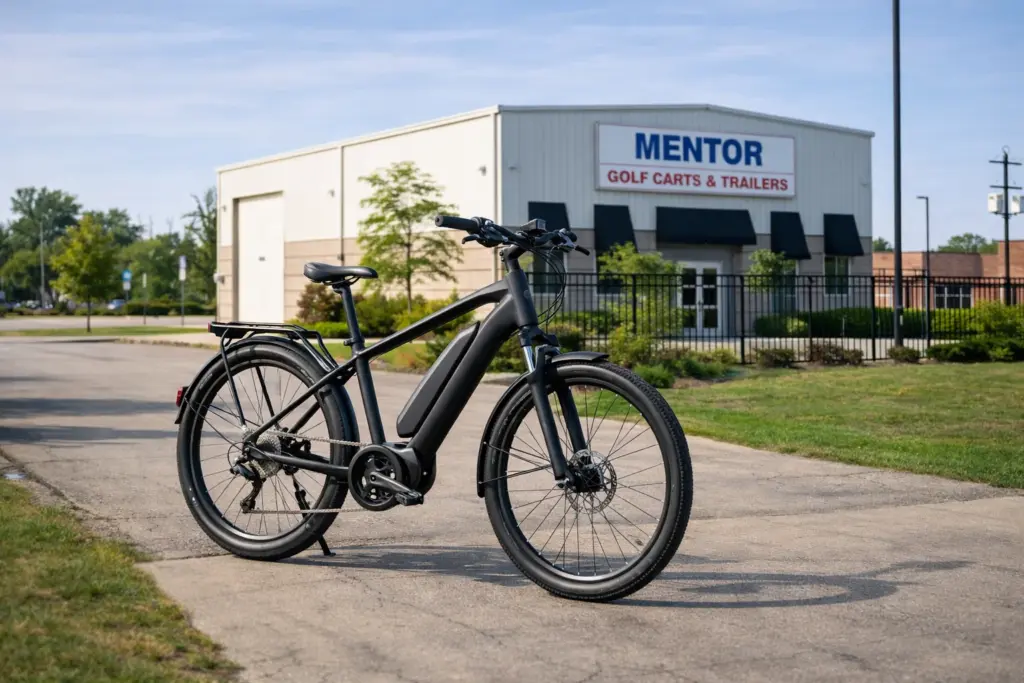
The most direct answer to is a motor bike a vehicle is yes in most states and transportation systems. Motor bikes use engines or electric motors to transport riders, which generally places them within vehicle classifications under traffic law. Whether the motor bike is a motorcycle, electric bike, scooter, moped, or small recreational vehicle, local laws usually regulate how and where it can operate legally. Riders often assume smaller motorized bikes avoid normal traffic rules entirely, but many still require registration, licensing, or safety equipment depending on local regulations.
Vehicle Classification Depends On The Type Of Motor Bike
Another important reason people search is a motor bike a vehicle is because different types of motor bikes fall into different legal categories. Full-size motorcycles are clearly classified as motor vehicles in every state, while electric bikes, mopeds, and low-speed scooters may follow separate transportation laws depending on speed and motor power. Some electric bicycles are treated similarly to traditional bicycles if they stay below certain speed limits and power ratings. Riders should always verify local laws carefully because legal classifications can change dramatically between states and municipalities.
Street Legal Requirements Matter A Lot
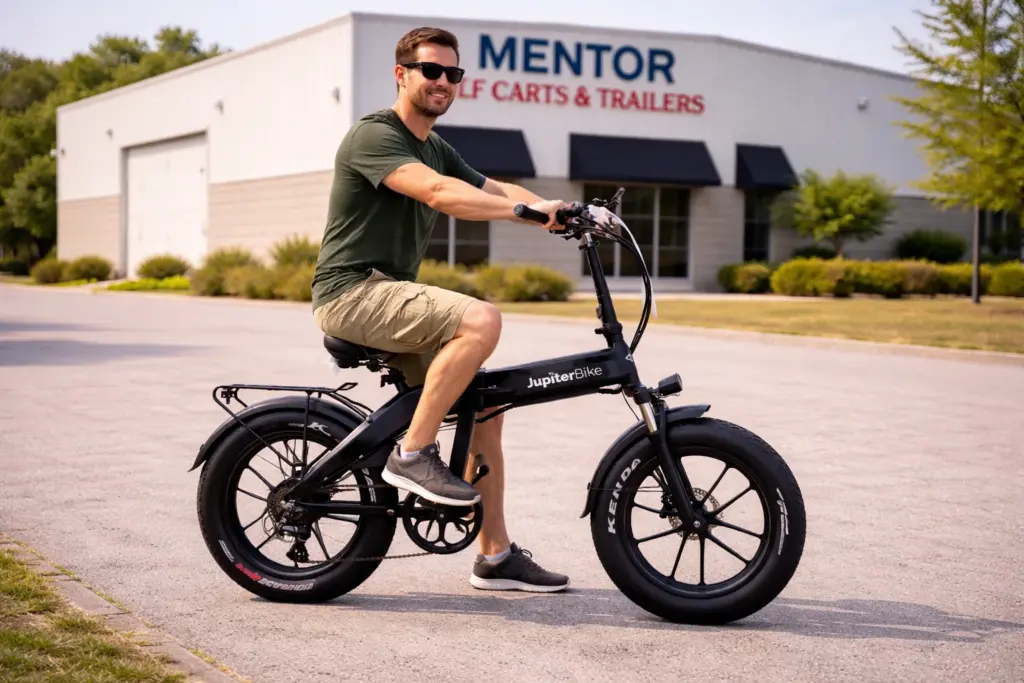
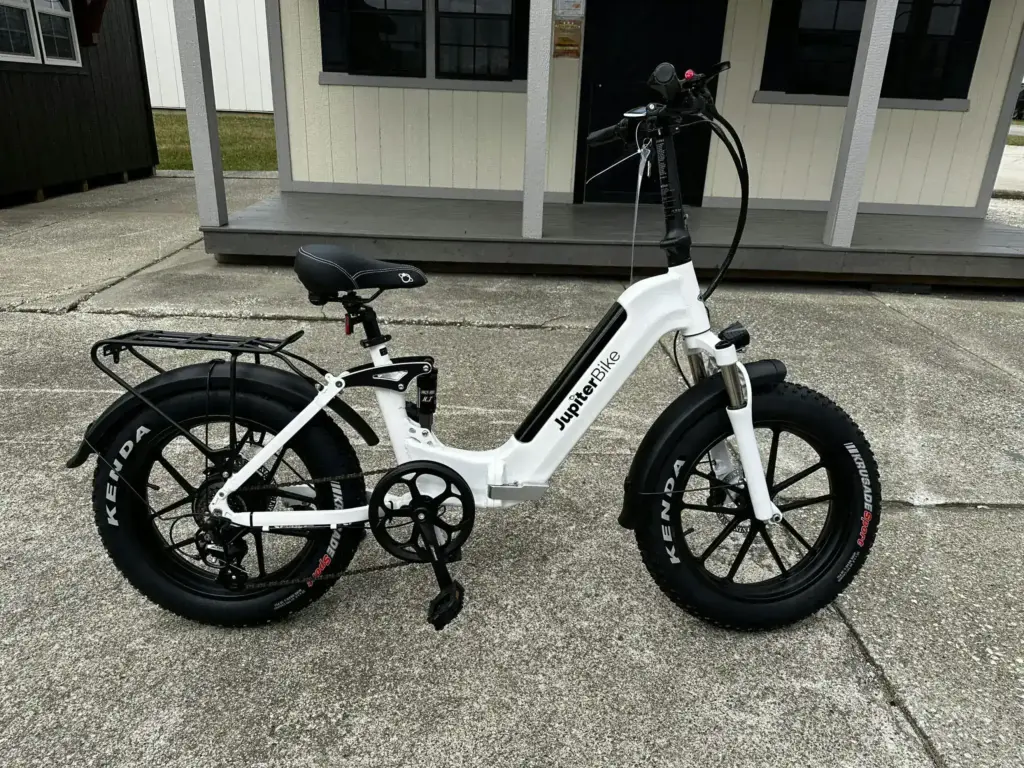
One major factor connected to is a motor bike a vehicle is whether the bike is approved for public road use. Street-legal motorbikes usually require headlights, brake lights, mirrors, reflectors, turn signals, and VINs, depending on local laws. Off-road dirt bikes and recreational trail bikes may not qualify for public-road operation without significant modifications. Riders researching electric transportation often compare vehicles like the E-Bikes available for local recreational riding and neighborhood transportation when evaluating street-legal electric mobility options.
Different Motorized Vehicles Follow Different Rules
Many people researching is a motor bike a vehicle want simple comparisons between common motorized transportation categories. The table below highlights several examples.
| Vehicle Type | Usually Classified As Vehicle? |
|---|---|
| Motorcycle | Yes |
| Moped | Usually Yes |
| Electric Bike | Depends On Speed And Power |
| Off-Road Dirt Bike | Yes For Ownership, Not Always Street Legal |
| Low-Speed Scooter | Varies By State |
Local transportation laws determine exactly how each motorized vehicle category is regulated.
Riders researching transportation classifications and road-use laws often review information from the National Highway Traffic Safety Administration when learning about motorcycles, safety standards, and public-road vehicle regulations.
Electric Bikes Changed Transportation Laws
One major reason people continue searching is a motor bike a vehicle is because electric transportation has changed vehicle classifications significantly in recent years. Some electric bikes are legally treated more like bicycles if they remain under specific speed and motor-power limits. Higher-speed electric bikes may require licensing, registration, or additional safety equipment depending on local law. Because electric transportation technology changes rapidly, lawmakers continue updating regulations frequently across many states and cities.
Licensing Requirements Depend On Vehicle Classification
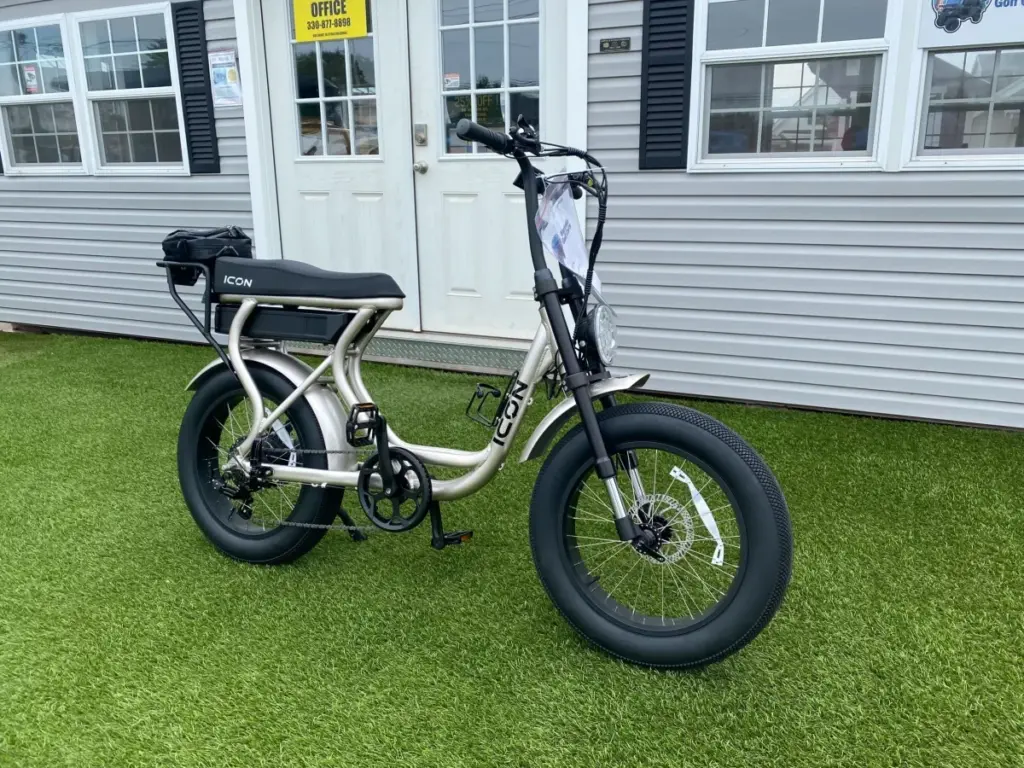
Another important factor tied to is a motor bike a vehicle is licensing. Many motorized bikes require a driver’s license, motorcycle endorsement, registration, or insurance before public-road operation becomes legal. However, some lower-speed electric bikes may not require licenses at all, depending on local regulations. Riders should always confirm DMV requirements carefully before operating any motorized bike on public streets. Assuming all motor bikes follow the same rules can create serious legal problems later.
Insurance May Also Be Required
Some owners researching is a motor bike a vehicle are surprised to learn that insurance requirements may apply even to smaller motorized bikes. Full-size motorcycles almost always require insurance for public-road operation, while mopeds and electric bikes may or may not, depending on local law. Insurance becomes especially important whenever motorized vehicles operate near traffic or pedestrians because accidents involving injuries or property damage can become extremely expensive.
Off-Road Motor Bikes Still Count As Vehicles
Even when a motor bike cannot legally operate on public roads, it may still legally qualify as a vehicle for ownership and transportation purposes. Dirt bikes, trail bikes, and off-road electric bikes are often regulated differently because they are designed primarily for recreational terrain instead of highways or city streets. Riders researching electric off-road transportation frequently review guides like Can You Build An Electric Dirt Bike With 1K when exploring electric dirt bike ownership, customization, and riding possibilities.
Safety Rules Still Apply Regardless Of Classification
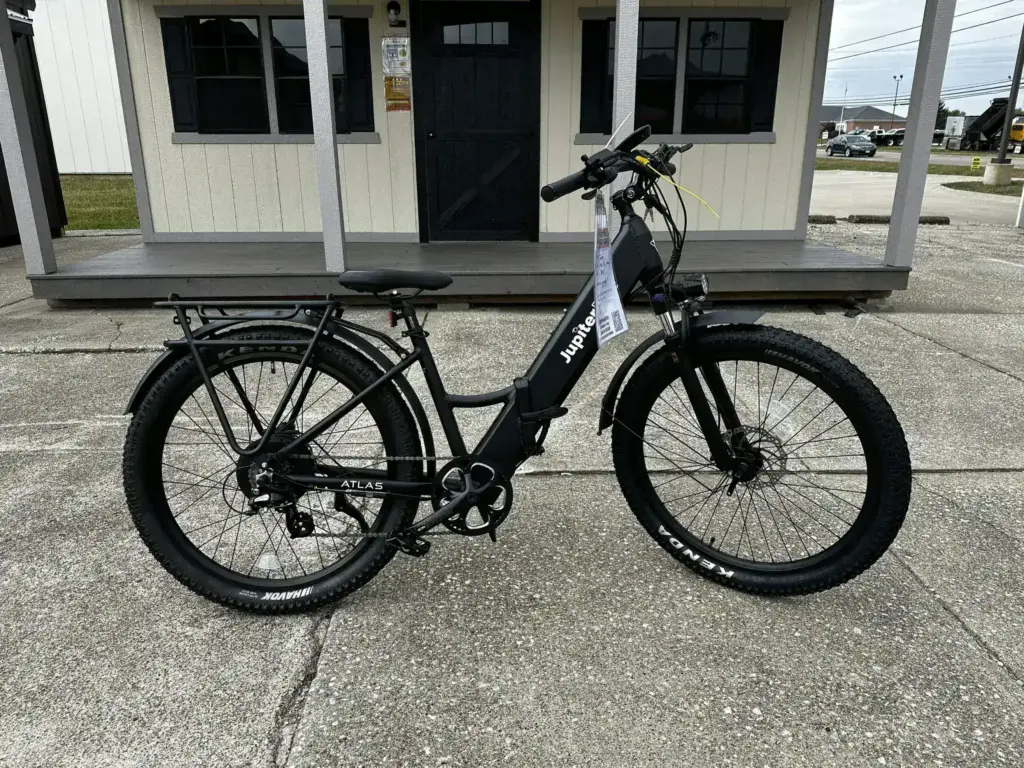
Many riders focus heavily on legal classifications while overlooking basic safety requirements. Helmets, lights, reflectors, safe braking systems, and responsible riding habits remain extremely important regardless of whether a motor bike is classified as a bicycle, moped, scooter, or motorcycle. Motorized vehicles create much higher speeds and risks than standard bicycles, especially around public traffic and pedestrians. Riders should always prioritize safety over legal loopholes or technical classifications.
Local Laws Always Matter Most
One of the most important points connected to is a motor bike a vehicle is that local transportation laws control the final legal definition. Two very similar motorbikes may follow completely different rules depending on state law, speed capability, and motor power. Riders should always verify local DMV regulations before purchasing, registering, or operating any motorized bike on public roads. Staying informed helps avoid fines, registration issues, and unsafe riding situations later.
Conclusion
In most situations, the answer to is a motor bike a vehicle is yes because motorbikes use powered motors for transportation and are commonly regulated under vehicle laws. However, exact classifications vary depending on engine size, speed capability, road legality, and local transportation regulations. Electric bikes, mopeds, motorcycles, and off-road bikes may all follow different rules depending on where they are operated. Riders who understand local licensing, registration, and safety requirements usually avoid legal problems and enjoy much safer riding experiences overall. Anyone looking for electric transportation options or recreational riding solutions can contact Mentor Golf Carts & Trailers for additional information and available inventory.