
Side-by-side owners often start thinking about trailer size after struggling to load their vehicles, running out of room for gear, or discovering the trailer they bought is too small for safe transportation. That is usually when people start searching what size trailer for side by side before purchasing a trailer or upgrading to a larger machine. The right trailer size depends on the side-by-side’s width, length, weight, tire setup, and the amount of extra equipment to be transported. While some compact UTVs fit comfortably on smaller utility trailers, larger four-seat models often require significantly more deck space and weight capacity. Understanding what size trailer for side-by-side transportation is actually needed can help owners avoid unsafe towing conditions, loading frustration, and expensive trailer mistakes later.
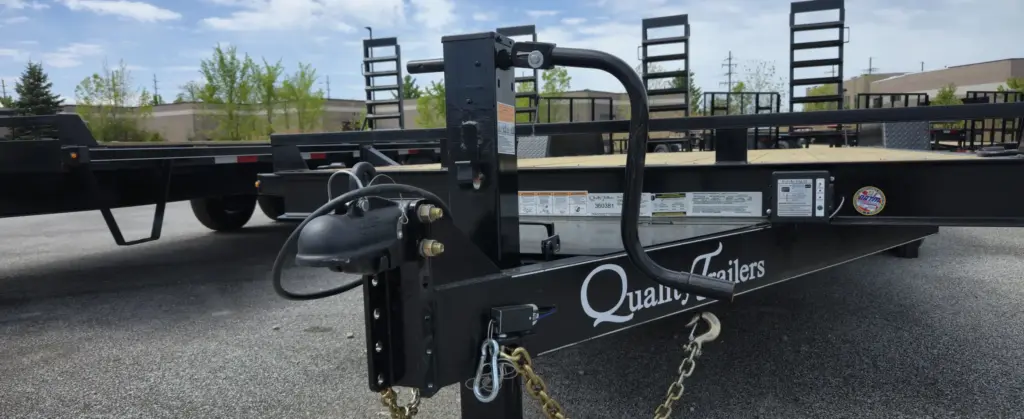
Side-by-Side Dimensions Matter More Than Buyers Expect
The biggest factor affecting what size trailer for side-by-side transportation is needed is the actual size of the UTV itself. Compact two-seat side-by-sides may fit comfortably on smaller trailers around 10 to 12 feet long, while larger four-seat models often require trailers 14 feet or longer. Width is equally important because many modern side-by-sides use oversized tires and suspension systems that create tight clearance on narrow trailer fenders. Buyers should always measure total vehicle width from tire edge to tire edge rather than relying only on manufacturer’s body dimensions. Owners transporting utility-focused off-road vehicles often compare options like the Landmaster Classic N6 when evaluating hauling needs, towing setup, and practical trailer compatibility before purchasing. Taking exact measurements early prevents expensive loading and fitment problems later.
Trailer Weight Capacity Is Extremely Important
Another critical part of choosing what size trailer for side by side hauling involves trailer weight capacity. Many owners focus only on trailer dimensions while forgetting that side-by-sides can become surprisingly heavy once fuel, accessories, passengers, and cargo are added. Smaller utility trailers may physically fit a side-by-side while still exceeding safe axle or tire weight limits. Larger lifted UTVs with winches, roof systems, cargo racks, and oversized tires often require much stronger trailer construction than buyers initially expect. Owners should always calculate total loaded weight before selecting a trailer because overloaded trailers create dangerous towing conditions, braking problems, and premature tire wear during transportation.
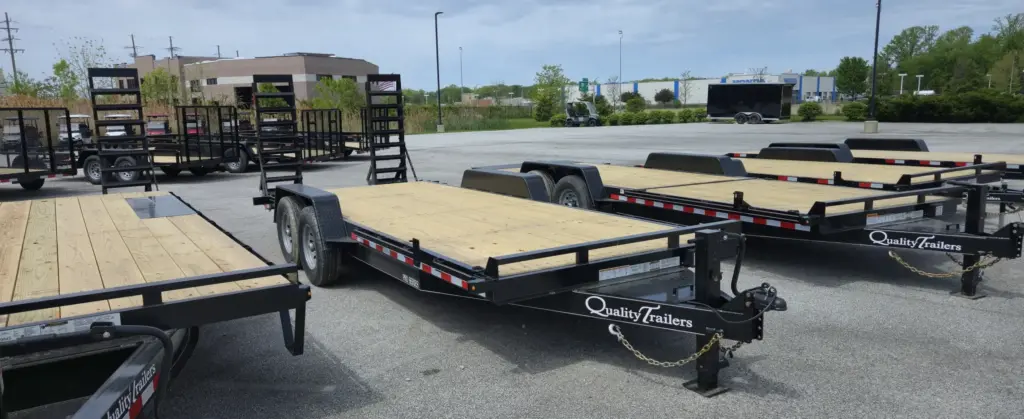
Open Trailers Versus Enclosed Trailers
One reason people continue searching what size trailer for side by side hauling is because they are deciding between open and enclosed trailer setups. Open utility trailers are lighter, more affordable, and easier to maneuver, making them popular for recreational riders who frequently transport side-by-sides locally. Enclosed trailers provide additional weather protection, security, and storage space for tools, spare tires, fuel cans, and riding gear. However, enclosed trailers also require more towing capacity and additional height clearance. Buyers comparing enclosed hauling options often explore trailers like the 7×12 RC Trailers Enclosed Cargo when planning protected side-by-side transportation and equipment storage solutions. Choosing between open and enclosed trailers depends heavily on budget, storage needs, and travel distance.
Common Trailer Sizes For Side By Sides
Many owners researching what size trailer for side by side transportation want quick comparisons between common trailer setups. The table below highlights general trailer recommendations based on UTV size.
| Side By Side Type | Recommended Trailer Size |
|---|---|
| Compact 2-Seat UTV | 10-12 Foot Trailer |
| Mid-Size 2-Seat UTV | 12-14 Foot Trailer |
| 4-Seat Side By Side | 14-16 Foot Trailer |
| Lifted Or Accessorized UTV | 16+ Foot Trailer |
Trailer sizing also depends on whether additional cargo, coolers, fuel containers, or riding equipment must fit alongside the side-by-side during transportation.
Buyers researching trailer towing limits and safe cargo transportation often review guidance from the National Highway Traffic Safety Administration when learning about trailer safety, weight distribution, and proper towing practices.
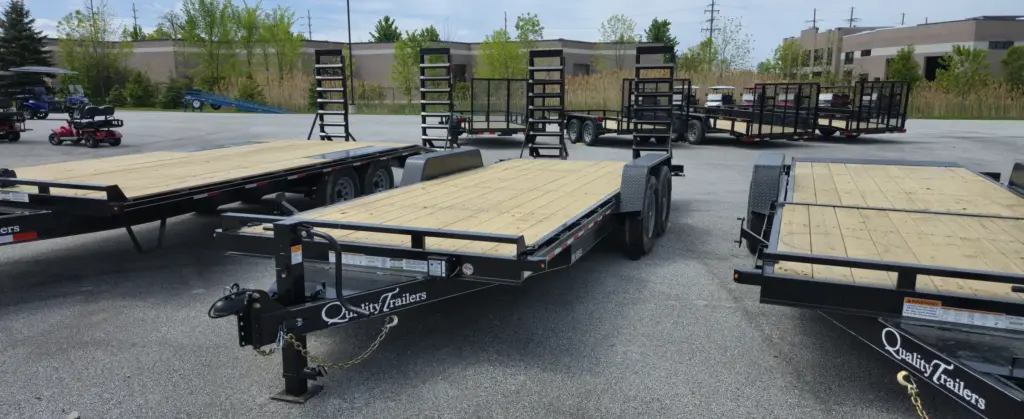
Trailer Width Can Create Loading Problems
Another overlooked factor tied to what size trailer for side-by-side hauling is trailer width. Some side-by-sides technically fit inside narrower trailers but leave almost no room for safe loading and unloading. Tight trailer clearance increases the chance of damaging wheels, suspension components, or trailer fenders during loading. Wider trailer decks usually create a much safer and less stressful loading experience, especially for larger lifted UTVs. Buyers should also consider ramp width because narrow ramps may not properly support oversized off-road tires. Planning for comfortable loading clearance often matters just as much as total trailer length.
Towing Vehicle Capability Must Match The Trailer
Many owners researching what size trailer for side by side transportation focus heavily on the trailer itself while forgetting to evaluate the towing vehicle. Larger trailers with heavy side-by-sides can quickly exceed the towing capacity of smaller SUVs or light-duty trucks. Total towing weight includes the trailer, side-by-side, fuel, accessories, spare tires, and cargo carried during transportation. Owners should always verify tow ratings, hitch capacity, braking systems, and trailer wiring compatibility before hauling larger setups. Improper towing combinations create dangerous driving conditions, especially at highway speeds or during emergency braking situations.
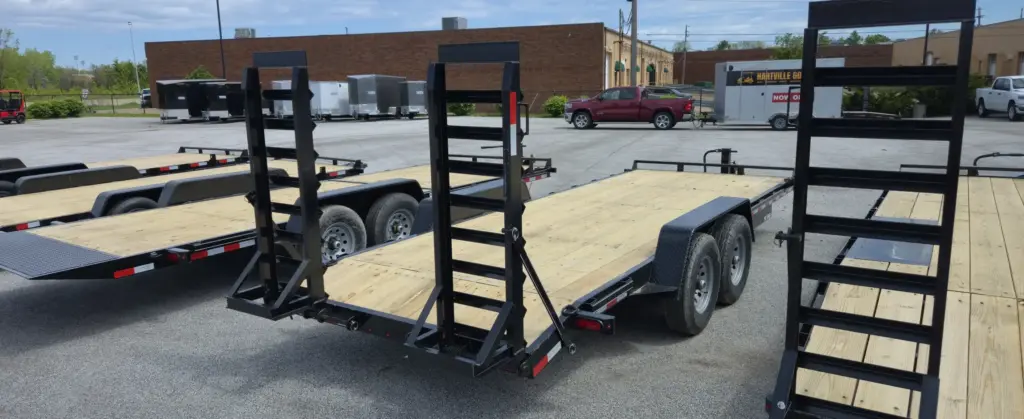
Storage Space Matters Before Buying A Trailer
Another important factor affecting what size trailer for side by side hauling is available storage space at home. Larger trailers may transport side-by-sides more comfortably, but they also require additional driveway space, garage storage, or an outdoor parking area. Buyers sometimes purchase oversized trailers only to realize later they cannot easily store them at home or maneuver them into tight parking locations. Measuring storage clearance before purchasing a trailer helps avoid expensive long-term parking and storage problems later. Practical trailer ownership involves balancing transportation comfort against realistic storage limitations.
Modern Side By Sides Continue Growing Larger
The answer to what size trailer for side by side hauling keeps changing because modern UTVs continue becoming larger, wider, and heavier every year. Manufacturers now build side-by-sides with larger suspensions, bigger tires, extended wheelbases, enclosed cabins, and additional passenger seating that all increase transportation requirements. Buyers researching modern utility and recreational off-road vehicles often explore guides like What Is A Travel Trailer to better understand trailer sizing, towing considerations, and storage planning before investing in larger transportation setups. Choosing a trailer with future upgrades in mind often prevents the need for expensive trailer replacements later.
Conclusion
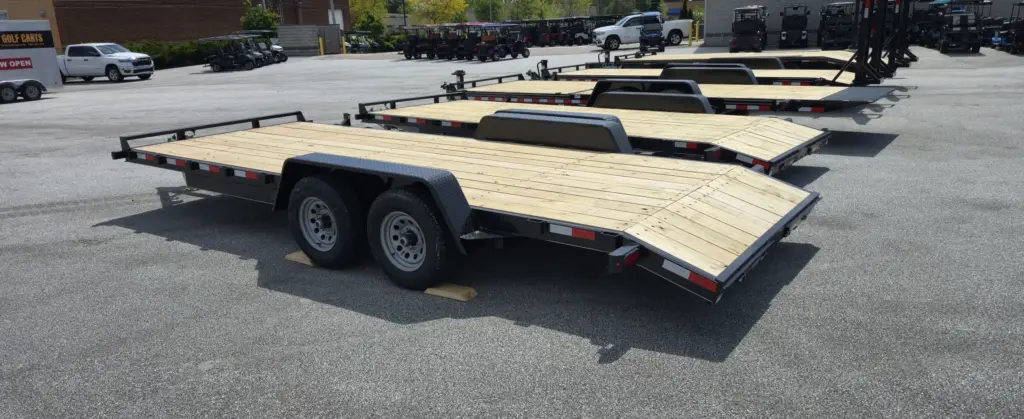
The right answer to what size trailer for side by side transportation depends on the UTV’s dimensions, total weight, accessories, and intended hauling needs. Smaller two-seat side-by-sides may fit comfortably on compact utility trailers, while larger four-seat and lifted models often require longer and wider trailer setups for safe transportation. Buyers who carefully measure vehicle size, towing capacity, and storage space before purchasing usually avoid expensive loading and towing mistakes later. Anyone looking for trailer inventory, UTV hauling solutions, or transportation guidance can contact Mentor Golf Carts & Trailers for additional information and available trailer options.