
Many people assume golf carts are slow vehicles built only for short rides around the course, but modern gas-powered models can move much faster than most buyers expect. That is why so many owners search how fast does a gas golf cart go before purchasing, upgrading, or modifying one. The answer depends on engine size, terrain, tire setup, weight, and whether the cart has factory speed restrictions installed. Some standard models stay around neighborhood cruising speeds, while modified versions can become surprisingly quick. Understanding what affects gas golf cart speed can help buyers choose the right model, avoid unsafe modifications, and decide whether a gas or electric cart better fits their driving needs.
Average Speed Of A Standard Gas Golf Cart
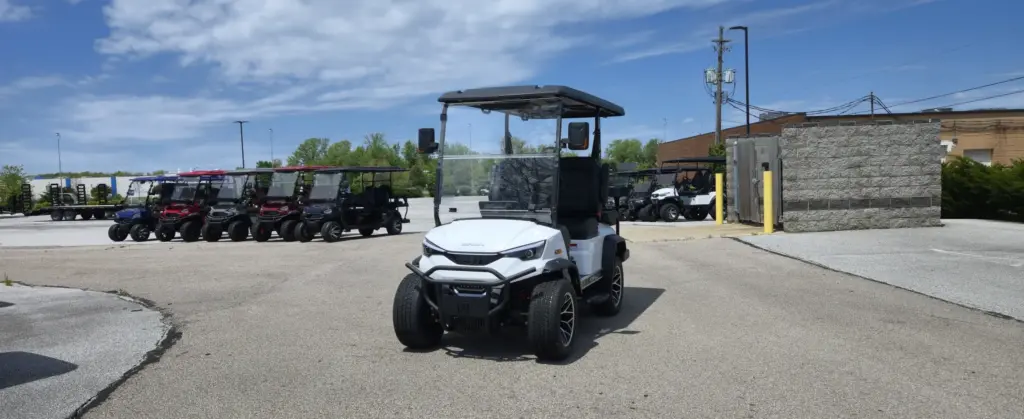
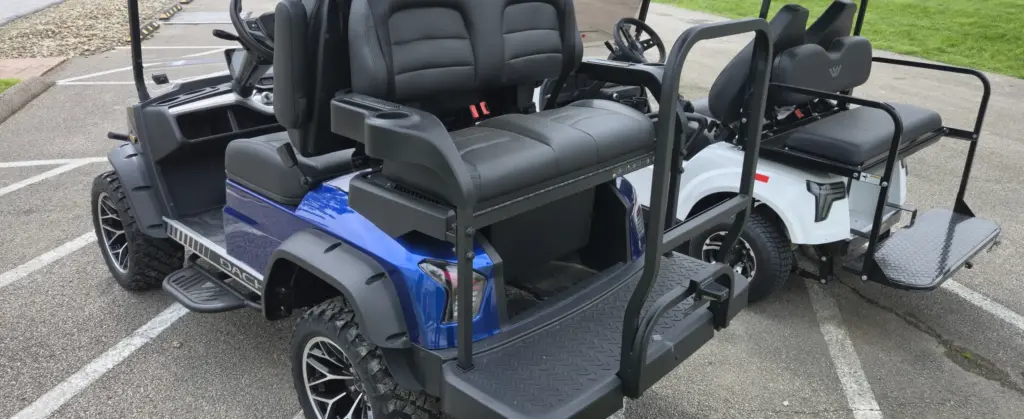
The average answer to how fast does a gas golf cart go is usually between 12 and 20 miles per hour from the factory. Most manufacturers intentionally limit speed because golf carts are designed for controlled driving on golf courses, campgrounds, and private communities rather than highways. Standard gas-powered golf carts often use small engines that prioritize reliability and fuel efficiency over high-speed performance. Terrain also plays a role because steep hills, passenger weight, and rough surfaces can slightly reduce top speed. Buyers comparing different golf cart styles often explore options like the Dach Falcon 2+2 Ultra Rider when researching comfortable transportation with practical everyday performance. While factory speeds may seem modest compared to road vehicles, they are usually more than enough for typical recreational and neighborhood use.
Engine Size Plays A Major Role In Golf Cart Speed
One of the biggest factors affecting how fast does a gas golf cart go is engine size and overall power output. Most gas golf carts use small four-stroke engines ranging from roughly 9 to 14 horsepower, depending on the manufacturer and model. Larger engines generally provide stronger acceleration and improved hill-climbing ability, especially when carrying passengers or cargo. However, engine size alone does not guarantee dramatically higher top speeds because many golf carts include factory governors that limit acceleration for safety reasons. Some higher-end carts feel noticeably quicker because they deliver power more efficiently, even when top speed differences appear small on paper. Understanding horsepower and engine tuning helps buyers better compare golf cart performance instead of focusing only on advertised speed numbers.
Governors Limit Speed On Most Gas Golf Carts
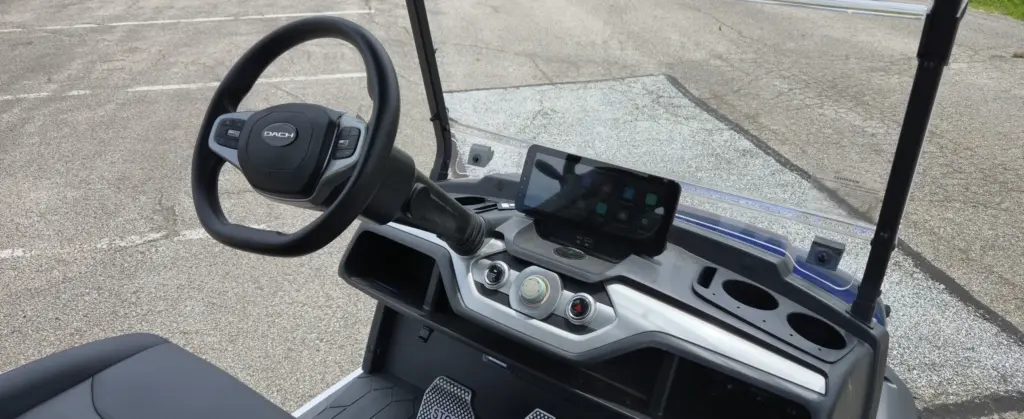
Many owners researching how fast does a gas golf cart go eventually discover that governors play a major role in limiting performance. A governor is a device installed by manufacturers to restrict engine speed and keep the cart operating within safe limits. This helps prevent excessive wear, unsafe driving conditions, and liability issues. Some owners attempt to adjust or remove governors to increase speed, but doing so can create mechanical strain and reduce long-term reliability. Modified carts may also become unsafe if brakes, suspension systems, and tires are not upgraded accordingly. Golf cart owners interested in performance upgrades often research guides like Which Is Better Gas Or Electric Golf Cart to better understand how different power systems affect speed, maintenance, and long-term driving experience.
Modified Gas Golf Carts Can Reach Higher Speeds
The answer to how fast does a gas golf cart go changes significantly once modifications enter the conversation. Some upgraded gas golf carts can reach speeds above 25 miles per hour, depending on engine modifications, tire size, gearing changes, and governor adjustments. Enthusiasts sometimes install performance parts designed to improve acceleration and top-end speed for recreational driving or neighborhood transportation. However, higher speeds also increase safety risks because golf carts are not built like standard passenger vehicles. Steering, braking distance, and rollover stability become more important as speed increases. Drivers should also understand that local laws may classify faster golf carts differently once they exceed certain speed thresholds, especially in areas with low-speed vehicle regulations.
Terrain And Passenger Weight Affect Performance
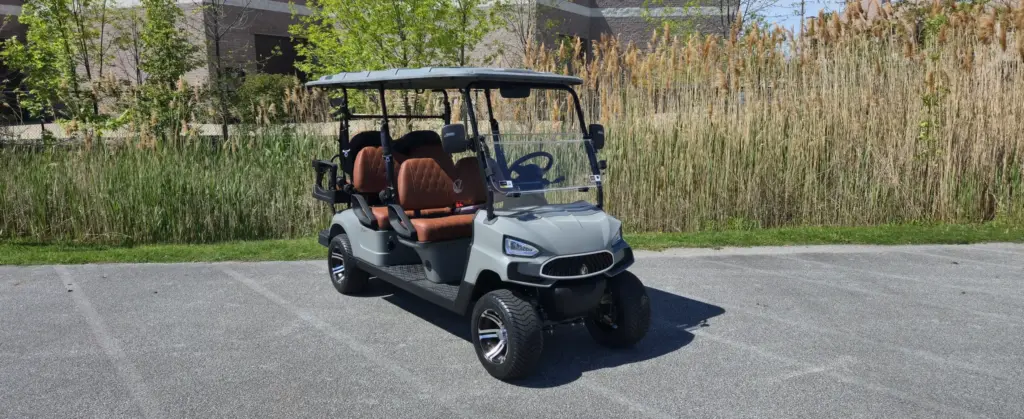
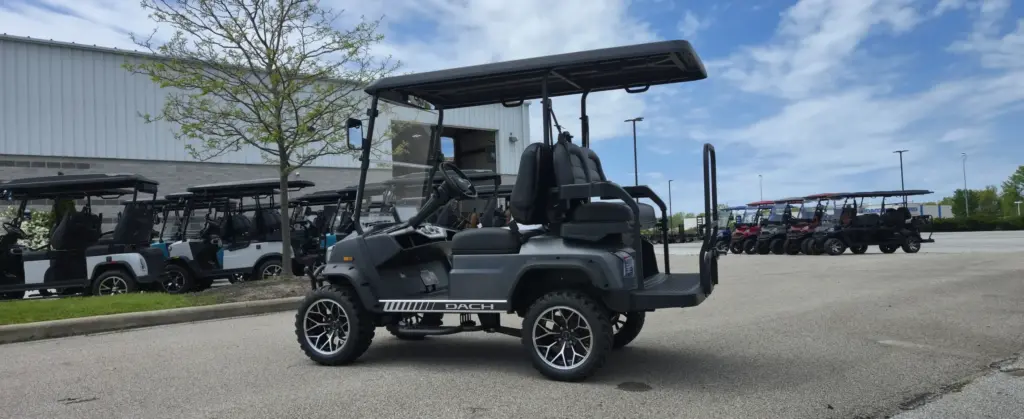
Another important factor influencing how fast does a gas golf cart go is the environment where the cart operates. Flat paved surfaces allow carts to reach higher speeds more easily, while hills, rough terrain, mud, or grass can reduce performance. Passenger weight also matters because carrying multiple adults, equipment, or cargo forces the engine to work harder. Larger lifted carts with oversized tires may look impressive, but those upgrades can sometimes reduce acceleration if not paired with proper engine tuning. Drivers who regularly transport passengers around larger properties often appreciate reliable utility-focused models like the Teko Turbo when looking for practical performance and comfortable everyday driving capability. Real-world speed often depends more on usage conditions than advertised factory numbers alone.
Gas Golf Carts Compared To Electric Models
Many buyers comparing how fast does a gas golf cart go also wonder how gas-powered carts compare with electric models. Gas carts often maintain speed more consistently over long distances because they do not rely on battery charge levels. They also refuel quickly instead of requiring charging time. Electric carts, however, frequently deliver smoother acceleration and quieter operation. Some newer electric models can match or even exceed standard gas cart speeds depending on motor output and battery configuration. The decision between gas and electric usually comes down to driving habits, maintenance preferences, terrain, and intended use rather than speed alone. Buyers should consider overall practicality instead of assuming one power system is automatically faster in every situation.
Local Laws May Restrict Golf Cart Speed
When discussing how fast does a gas golf cart go, legal restrictions also become important. Many communities limit golf cart operation to specific roads or designated low-speed areas. Once modified carts exceed certain speeds, local laws may require registration, insurance, lighting equipment, or low-speed vehicle classification. Riders in Ohio should always verify local rules before modifying carts for higher-speed operation because regulations vary between municipalities and communities. According to the National Highway Traffic Safety Administration, low-speed vehicle requirements can apply once vehicles exceed specific operational thresholds. Understanding these rules helps owners avoid legal problems and operate their carts more safely on public-access roads.
Choosing The Right Golf Cart Matters More Than Maximum Speed
Many buyers focus heavily on how fast does a gas golf cart go, but comfort, reliability, safety, and intended usage usually matter far more than top speed alone. A cart that feels stable, reliable, and comfortable often delivers a better ownership experience than one modified purely for speed. Buyers should consider passenger capacity, maintenance costs, fuel efficiency, storage options, and terrain requirements before choosing a cart. Performance upgrades may look appealing, but practical everyday usability often matters more for long-term satisfaction. Drivers who choose the right cart from the beginning usually avoid expensive modifications and unnecessary repairs later.
Conclusion
The average answer to how fast does a gas golf cart go is typically between 12 and 20 miles per hour, although upgraded models can exceed those numbers with modifications. Engine size, governors, terrain, passenger weight, and local regulations all influence real-world performance. While faster speeds may sound appealing, reliability, safety, and overall usability are usually more important for everyday driving. Buyers who understand these differences before purchasing can make smarter long-term decisions and avoid unnecessary upgrade costs later. Anyone looking for dependable golf cart options, practical transportation solutions, or performance-focused models can Contact Mentor Golf Carts & Trailers for additional guidance and available inventory information.