
Buying a travel trailer opens the door to road trips, camping adventures, and the freedom to explore new places while bringing the comfort of home with you. As soon as someone purchases a trailer, however, an important question often comes up: do you have to have insurance on a travel trailer? Understanding how insurance works for towable RVs can help owners protect their investment and avoid unexpected financial risks.
Travel trailers differ from motorhomes because they do not have their own engine and must be towed by another vehicle. Because of this difference, insurance rules are not always the same as they are for motorized RVs. In many situations travel trailer insurance is optional, but there are circumstances where coverage may still be required or strongly recommended.
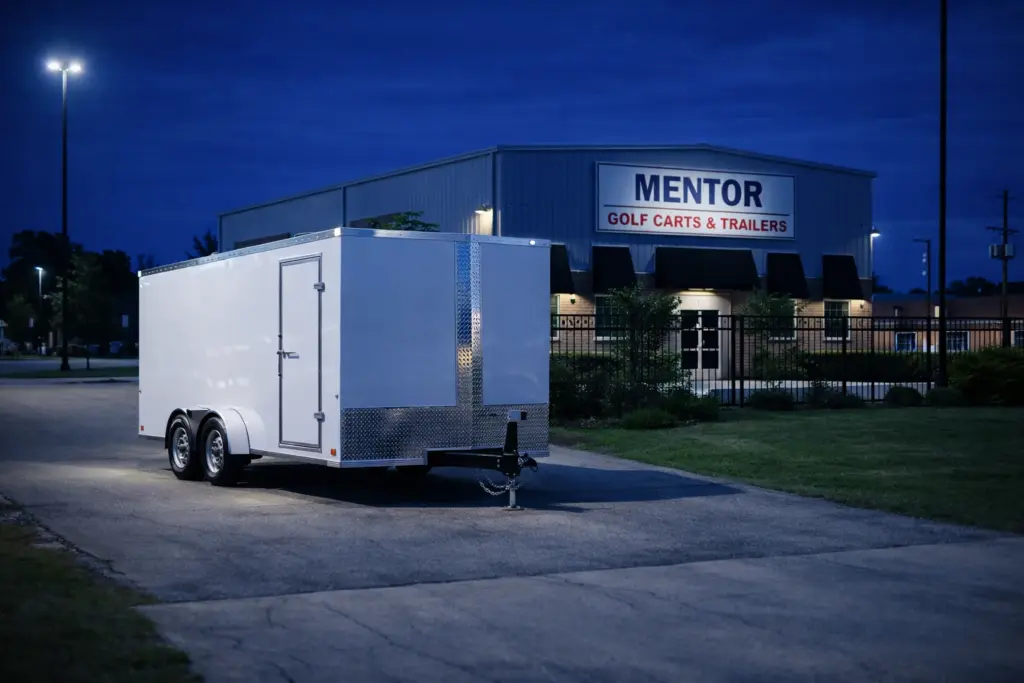
Is Travel Trailer Insurance Legally Required?
Many people researching do you have to have insurance on a travel trailer are surprised to learn that most states in the United States do not legally require standalone insurance for towable travel trailers. Since the trailer is being pulled by a vehicle that already carries liability insurance, that vehicle’s policy usually extends liability coverage while the trailer is being towed.
However, this does not mean the trailer itself is fully protected. The towing vehicle’s insurance may cover liability for damage caused to others, but it often does not cover damage to the trailer itself. Because of this gap, many owners choose separate insurance coverage even when it is not required by law.
Situations Where Insurance May Be Required
Even though many states do not legally require it, there are several situations where travel trailer insurance may still be mandatory. One of the most common situations occurs when the trailer is financed through a loan.
Lenders frequently require insurance coverage until the loan is fully paid off. This requirement protects the lender’s financial interest in the trailer. Some RV parks or long term campgrounds may also require proof of insurance before allowing extended stays.
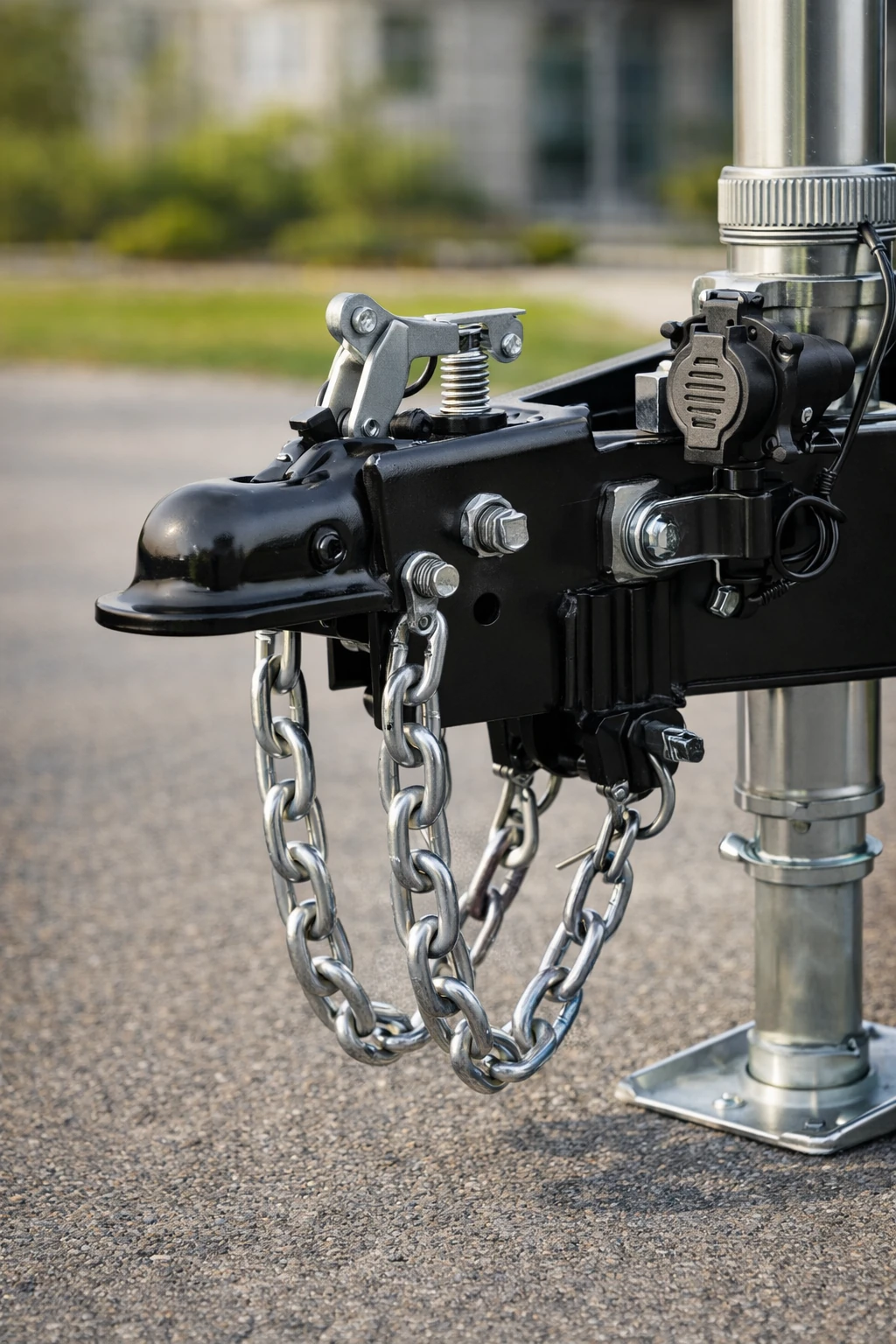
What Travel Trailer Insurance Typically Covers
When considering do you have to have insurance on a travel trailer, it helps to understand what insurance policies typically include. Coverage options are designed specifically for towable RVs and can protect against a variety of risks.
- Collision Coverage: Pays for damage if the trailer is involved in an accident.
- Comprehensive Coverage: Protects against theft, vandalism, fire, and weather damage.
- Liability Coverage: Covers injuries or property damage caused by the trailer while parked or being used.
- Personal Property Coverage: Protects belongings stored inside the trailer.
- Vacation Liability: Provides liability protection while the trailer is parked and used as temporary living space.
Different insurance providers offer different policy options, so coverage levels may vary.
Why Many Owners Choose Insurance Anyway
Even if it is not legally required, many owners decide that insurance is worth the cost. Travel trailers can represent a significant financial investment, and repairs after an accident or severe weather damage can be expensive.
Insurance can also provide peace of mind when the trailer is stored or parked at a campsite. Storm damage, theft, or vandalism can happen unexpectedly, and having coverage helps reduce the financial impact of these events.
Average Cost Of Travel Trailer Insurance
Another common question related to do you have to have insurance on a travel trailer is how much that insurance actually costs. In many cases, travel trailer insurance is relatively affordable compared to other types of RV insurance.
Many policies fall within these general ranges depending on coverage levels and trailer value:
| Travel Trailer Type | Average Annual Insurance Cost |
|---|---|
| Small Travel Trailer | $150 – $300 |
| Mid Size Travel Trailer | $300 – $500 |
| Large Travel Trailer | $500 – $800+ |
Actual premiums depend on location, trailer value, coverage limits, and storage conditions.
Factors That Influence Insurance Rates
Several factors affect how much travel trailer insurance costs. One of the most important is the value of the trailer. Newer trailers with higher replacement costs generally require higher premiums.
Insurance providers also consider where the trailer is stored, how frequently it is used, and the coverage limits selected. Owners who store their trailers in secure or covered locations may sometimes qualify for lower premiums.
How To Protect Your Travel Trailer
Insurance is only one part of protecting a travel trailer. Owners can also reduce risk by performing regular inspections, securing the trailer when parked, and storing it in protected areas during severe weather conditions.
Using proper towing equipment, maintaining tires and brakes, and following safe driving practices can also help prevent accidents and damage while traveling.
Choosing The Right Travel Trailer
Before purchasing a trailer, it helps to understand both the initial price and the ongoing ownership costs, including insurance, maintenance, and storage. Selecting the right trailer size and features can make ownership more enjoyable and easier to manage.
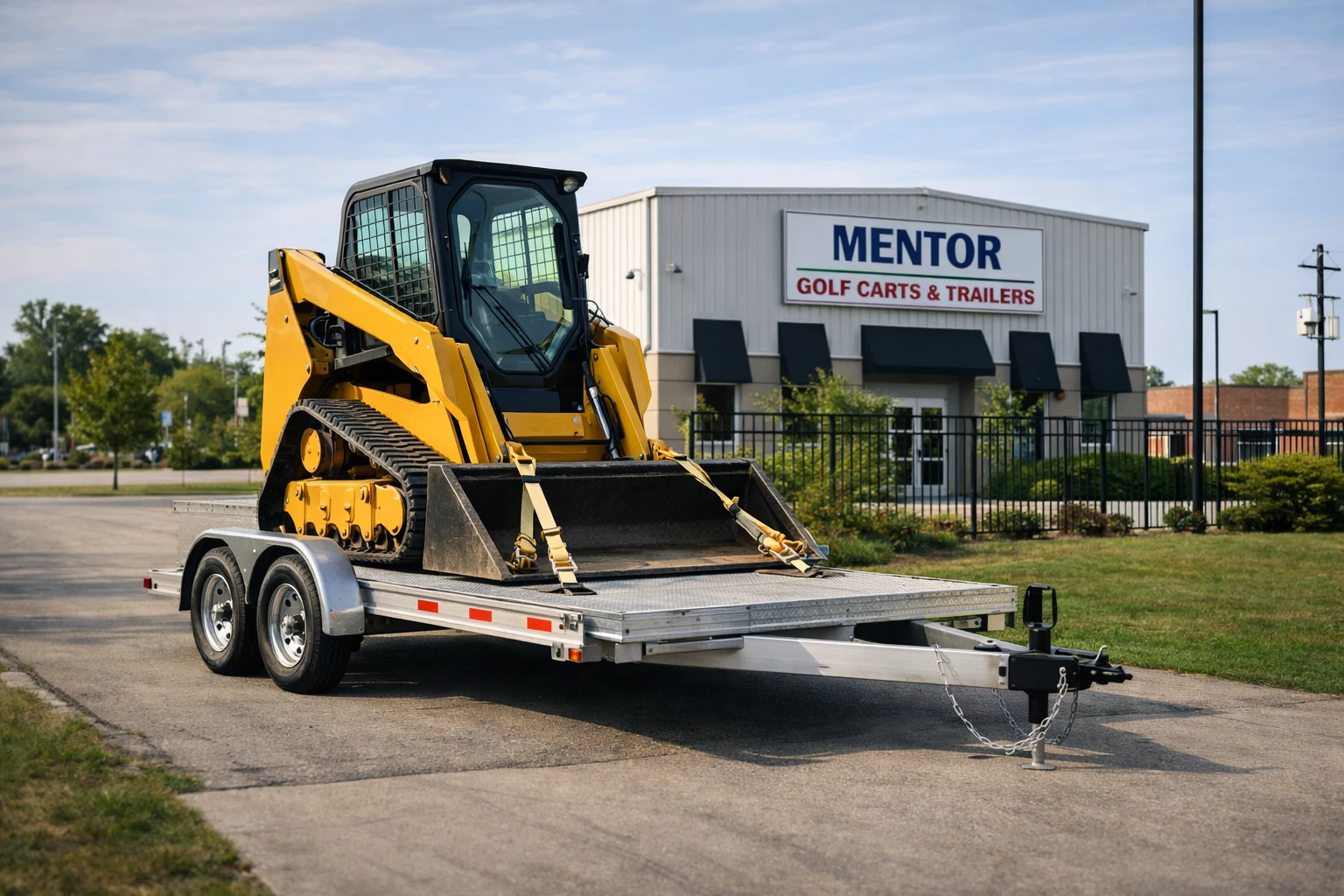
If you are comparing travel trailer sizes or looking at hauling options, you can explore available inventory at Mentor Golf Carts and Trailers to see trailers designed for recreational travel and equipment transport.
Conclusion
So do you have to have insurance on a travel trailer? In most states the answer is no, because liability coverage from the towing vehicle often applies while the trailer is being pulled. However, that coverage may not protect the trailer itself from damage or theft.
For this reason many travel trailer owners choose separate insurance coverage to protect their investment. Understanding the rules, coverage options, and potential costs allows owners to make informed decisions and enjoy their travel trailer with greater peace of mind.