
Buying a used golf cart without knowing its model year can lead to costly mistakes. Many owners also struggle to order replacement parts because they do not know when their golf cart was manufactured. That is why many buyers search how to find the year of a golf cart before purchasing a used model, registering a street-legal cart, or scheduling repairs. The good news is that most golf cart manufacturers include a serial number or manufacturer’s identification plate that reveals the production year. Learning how to identify this information helps you verify the cart’s age, confirm compatibility for replacement parts, and make more informed buying decisions.
Why The Model Year Matters
Knowing the model year is important for much more than simple curiosity. Manufacturers regularly update body styles, electrical systems, battery configurations, controllers, and suspension components. Ordering replacement parts without confirming the correct production year may result in expensive returns or incompatible components. Buyers also use the manufacturing year to estimate resale value, compare pricing, and verify that the seller’s description matches the actual vehicle.
Understanding the model year also makes future maintenance much easier. Service manuals, wiring diagrams, battery recommendations, and upgrade kits are often organized by model year instead of appearance. Owners who schedule regular maintenance through the Service Department can usually receive faster assistance when they already know their golf cart’s production year.
The Serial Number Is Usually The Best Place To Start
The easiest way to answer how to find the year of a golf cart is by locating the serial number. Nearly every major manufacturer assigns a unique serial number that identifies the model, production year, and manufacturing sequence. Once the serial number is found, owners can compare it with manufacturer charts or dealership records to determine the exact year.
The location of the serial number varies between brands. Club Car commonly places it beneath the passenger-side glove box, while EZGO often mounts the identification plate inside the passenger-side dash or beneath the seat. Yamaha golf carts may display the serial number under the rear bumper, beneath the seat, or inside the engine compartment depending on the model year. Taking a few minutes to locate this plate usually provides the most accurate identification available.
Manufacturer Labels Often Provide Additional Information
Besides the serial number, many golf carts include manufacturer labels that contain production details, model numbers, safety certifications, and recommended operating specifications. These labels may also include manufacturing dates or production codes that help verify the cart’s age. Buyers inspecting used golf carts should always confirm that these labels appear original and have not been altered or removed. If the identification plate is damaged or difficult to read, cleaning it carefully with a soft cloth often reveals faded numbers. Avoid using abrasive cleaners or metal brushes because they may permanently damage the information stamped into the plate.
Common Serial Number Locations
The exact location depends on the manufacturer, but the table below shows where owners commonly find identification plates.
| Golf Cart Brand | Typical Serial Number Location |
|---|---|
| Club Car | Passenger-side glove box area |
| EZGO | Passenger-side dash or beneath the seat |
| Yamaha | Rear frame, under the seat, or engine compartment |
| Evolution | Frame plate near the driver’s area |
Body Style Alone Can Be Misleading
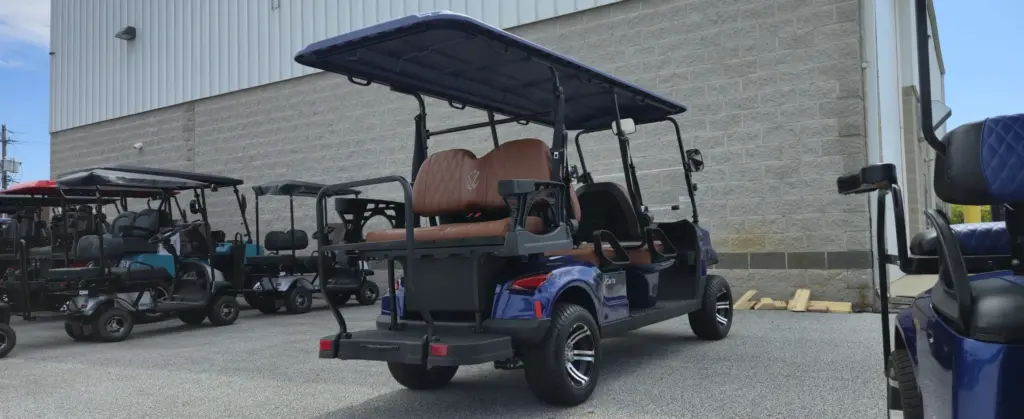
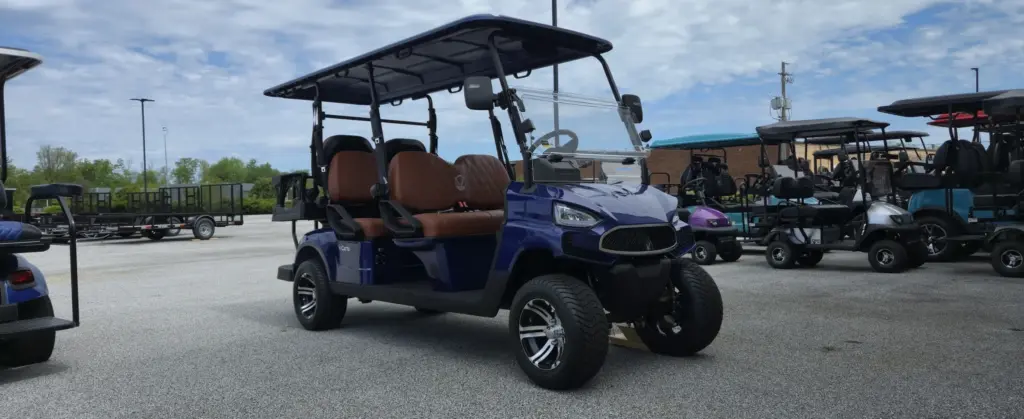
Some buyers try identifying the year simply by looking at headlights, body panels, or dashboards. While body design can provide clues, manufacturers often carry the same appearance across several production years. Previous owners may also replace bumpers, roofs, seats, wheels, or body panels, making visual identification unreliable. Relying on appearance alone often results in inaccurate estimates. Buyers comparing used inventory should focus on the identification plate first instead of cosmetic features. Modern neighborhood models like the VCart ECO 6 Golf Cart also include manufacturer identification information that simplifies future servicing and ownership.
Always Verify Information Before Purchasing
Before purchasing any used golf cart, compare the serial number with the seller’s advertised model year. If the numbers do not match or the identification plate is missing, ask for additional documentation before completing the sale. Resources such as Wikipedia provide background information about golf cart history, manufacturers, and identification, making them a useful starting point when researching older models.
Dealerships Can Help Verify The Model Year
If the serial number is difficult to locate or no longer readable, an authorized dealership may still be able to identify the golf cart using partial numbers, photographs, or existing documentation. Experienced technicians often recognize production changes that occurred between model years and can narrow down the manufacturing period even when identification plates have faded. This can save owners from ordering incorrect parts or investing in upgrades that are not compatible with their cart.
Bringing the golf cart to a qualified dealership also provides an opportunity for a complete inspection. Technicians can identify worn components, battery condition, and recommended maintenance while confirming the model year. This is especially helpful when buying a used golf cart from a private seller with little maintenance history.
Knowing The Year Makes Parts Shopping Easier
Many replacement parts look nearly identical but vary slightly between production years. Controllers, battery cables, steering components, brake assemblies, body panels, and electrical connectors often change as manufacturers update their designs. Knowing the exact year helps eliminate guesswork and reduces the chances of ordering incompatible parts.
Watch For Signs Of Modified Golf Carts
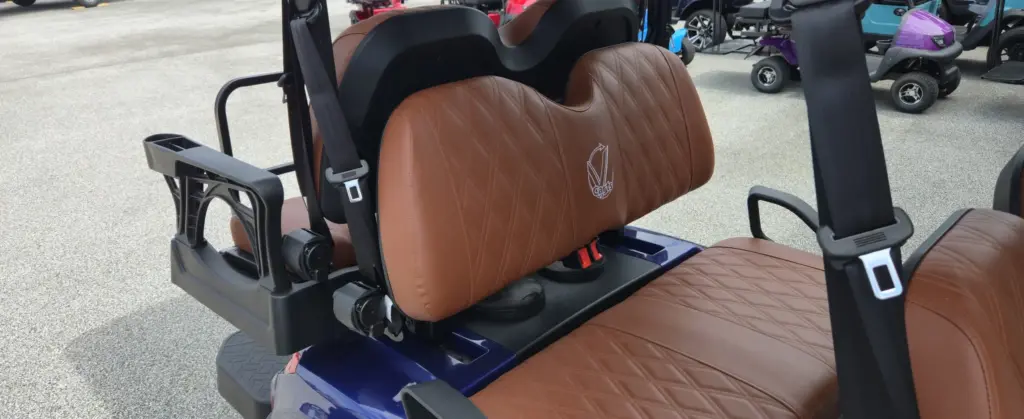
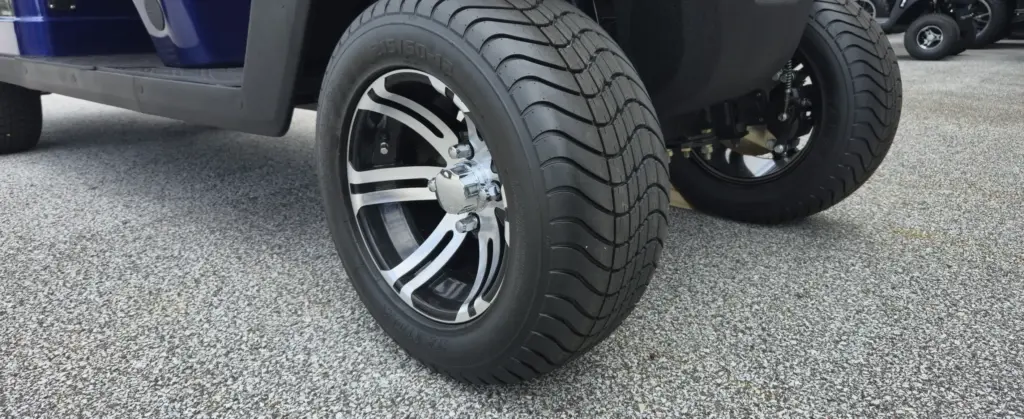
Many used golf carts have been customized with lift kits, aftermarket wheels, replacement seats, LED lighting, or upgraded dashboards. While these upgrades can improve appearance and comfort, they sometimes make it harder to identify the original production year by appearance alone. A heavily modified golf cart may look much newer than it actually is. That is another reason buyers should rely on the serial number instead of cosmetic features. The identification plate remains the most reliable source for determining the original manufacturing year regardless of aftermarket modifications.
Check Documentation When Available
Some sellers keep original owner’s manuals, purchase receipts, warranty paperwork, or maintenance records that list the golf cart’s production year. These documents can help verify information found on the serial number plate and provide additional confidence before purchasing. Maintenance records also reveal how well the cart has been cared for throughout its life. If paperwork is unavailable, ask the seller about previous battery replacements, major repairs, or upgrades. While this information cannot replace the serial number, it provides useful insight into the cart’s history and overall condition.
A Few Minutes Of Research Can Save Thousands
Spending a few extra minutes confirming the production year can prevent expensive purchasing mistakes. Buyers who verify the model year before negotiating often have a better understanding of market value, expected maintenance costs, and available replacement parts. This information also makes comparing multiple used golf carts much easier because similar-looking models may differ by several years.
Conclusion
Learning how to find the year of a golf cart begins with locating the serial number or manufacturer’s identification plate. While body style and accessories may provide clues, they are far less reliable than official production information. Verifying the model year helps buyers order the correct parts, estimate resale value, and avoid costly purchasing mistakes. Whether buying your first golf cart or maintaining one you already own, confirming its production year is one of the smartest steps you can take. For expert assistance, inspections, or maintenance, visit Mentor Golf Carts & Trailers.