
A weak or failing battery can cause a golf cart to lose power, accelerate slowly, struggle on hills, or fail to hold a charge. That is why many owners search how to test a golf cart battery when they notice performance issues or want to evaluate battery health before replacing the system. Testing a golf cart battery involves checking voltage, inspecting battery condition, measuring load performance, and evaluating charging behavior. While batteries naturally lose capacity as they age, regular testing can help identify problems early and prevent unexpected breakdowns. Understanding how to test a golf cart battery allows owners to determine whether the batteries are functioning properly or approaching the end of their service life.

Why Battery Testing Is Important
Learning how to test a golf cart battery is one of the most valuable maintenance skills an owner can develop. Golf cart batteries represent a significant investment, and replacing an entire battery pack can be expensive. Testing helps determine whether performance problems are actually caused by the batteries or by another component, such as the charger, cables, controller, or motor. Regular battery testing also helps identify weak cells before they affect the entire system. Many owners wait until their golf cart stops performing properly before checking battery health, but proactive testing can reveal declining performance long before complete failure occurs. By monitoring battery condition regularly, owners can plan for replacement rather than being caught off guard by sudden battery issues.
Start With A Visual Inspection
The first step in how to test a golf cart battery is performing a thorough visual inspection. Examine each battery for cracks, swelling, corrosion, leaking fluid, damaged terminals, or loose cable connections. Corrosion around terminals can interfere with electrical flow and create symptoms that resemble battery failure. Inspect cables carefully to ensure connections are clean and secure. For lead-acid batteries, check electrolyte levels and verify that battery plates remain properly covered. A visual inspection may not reveal every problem, but it often identifies issues that can affect performance. Correcting simple maintenance problems before performing electrical tests can improve accuracy and help avoid unnecessary battery replacement.
Tools Used To Test Golf Cart Batteries
| Tool | Purpose |
|---|---|
| Digital Multimeter | Measures battery voltage |
| Hydrometer | Tests electrolyte condition in lead-acid batteries |
| Battery Load Tester | Measures performance under load |
| Safety Gloves | Protects hands during testing |
| Safety Glasses | Protects eyes from battery acid |
Check Battery Voltage With A Multimeter
One of the most common methods for learning how to test a golf cart battery involves using a digital multimeter. After fully charging the batteries, set the multimeter to measure DC voltage and test each battery individually. A healthy 6-volt battery typically reads slightly above 6 volts when fully charged, while an 8-volt battery should read slightly above 8 volts, and a 12-volt battery should exceed 12 volts. Batteries that consistently read below expected voltage levels may be weak or failing. Testing individual batteries rather than only checking total pack voltage makes it easier to identify a single battery that is causing performance problems throughout the system.
Perform A Load Test For Better Accuracy
Voltage readings alone do not always provide a complete picture of battery health, which is why load testing is an important part of how to test a golf cart battery. A battery can show acceptable voltage when idle, but fail to deliver adequate power under load. A battery load tester places a controlled demand on the battery while measuring voltage drop. Healthy batteries maintain voltage more effectively during the test, while weak batteries often experience significant drops. Load testing provides a more realistic evaluation of battery performance because it simulates actual operating conditions. Many technicians consider load testing one of the most reliable methods for identifying failing batteries.
Test Each Battery Individually
Another important step in how to test a golf cart battery is checking every battery separately. Golf carts typically use multiple batteries connected to create the required system voltage. Even if only one battery is failing, it can reduce overall performance significantly. Testing each battery individually helps identify weak units before they affect the entire battery pack. A single defective battery often forces stronger batteries to work harder, accelerating wear throughout the system. Identifying and replacing weak batteries early can sometimes help extend the life of the remaining batteries.
Use A Hydrometer For Lead Acid Batteries
Owners using lead-acid batteries can take battery testing a step further by using a hydrometer. A hydrometer measures the specific gravity of the electrolyte solution inside each battery cell. This information provides valuable insight into battery condition and charging effectiveness. Consistent readings across all cells generally indicate healthy batteries, while significant variations may suggest internal problems. Although hydrometer testing requires additional effort, it remains a useful diagnostic tool for owners seeking a more complete understanding of battery health. Lithium batteries do not require this type of testing because they operate differently than lead-acid systems.
Monitor Driving Performance
Real-world performance also provides valuable clues when learning how to test a golf cart battery. Batteries approaching the end of their lifespan often produce noticeable symptoms such as reduced driving range, slower acceleration, difficulty climbing hills, and longer charging times. Monitoring these changes over time can help owners identify battery issues before complete failure occurs. Even if voltage readings appear normal, declining performance may indicate that battery capacity is diminishing. Paying attention to how the golf cart behaves during normal operation remains an important part of evaluating battery health.
Modern Lithium Batteries Simplify Testing
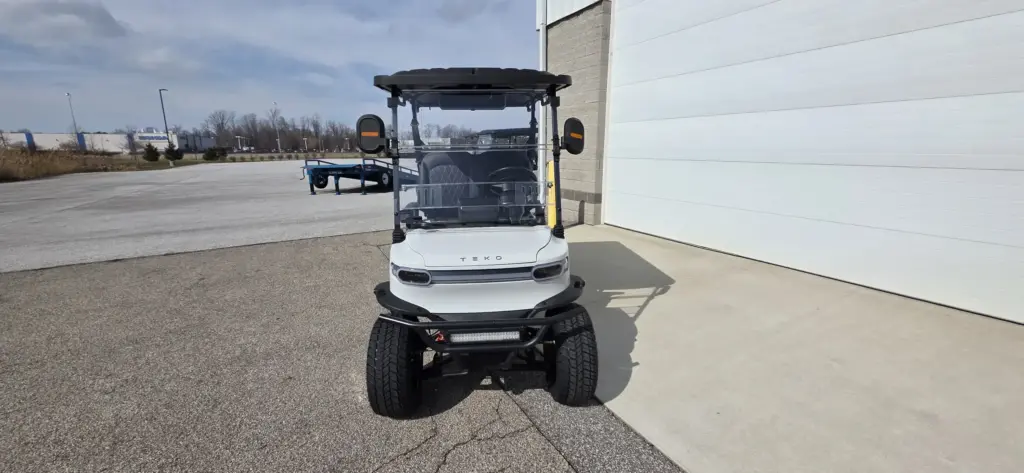
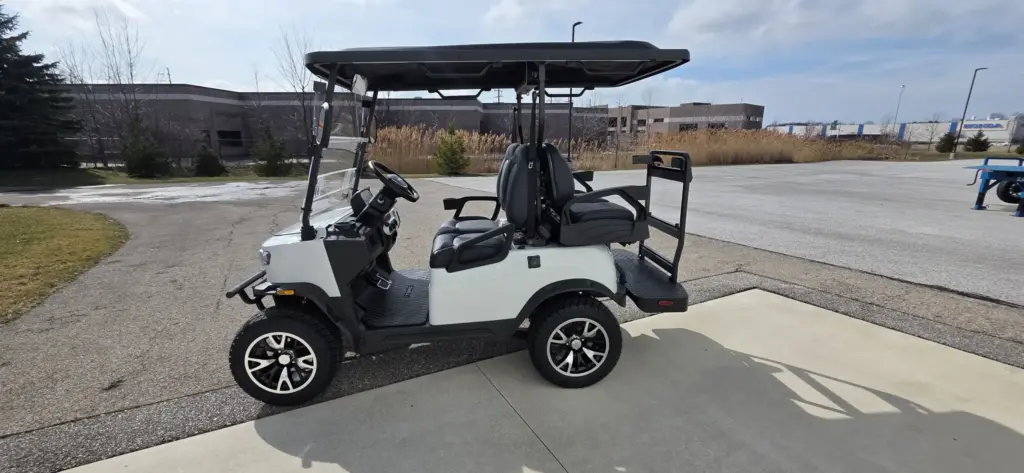
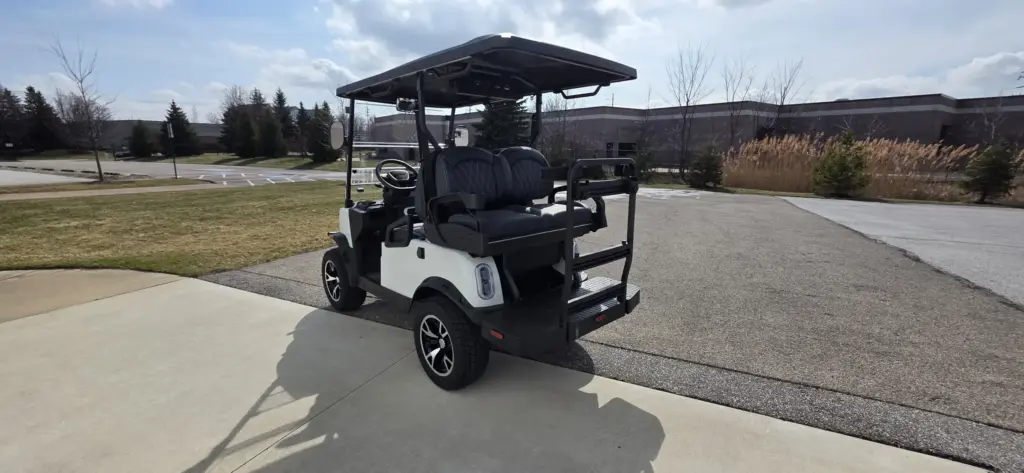
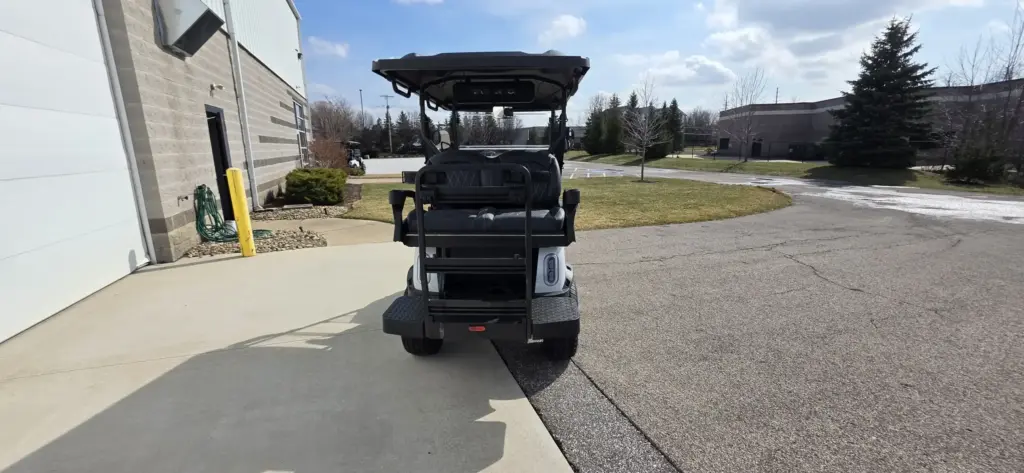
Many newer golf carts now use lithium battery systems that simplify maintenance and monitoring. Lithium batteries often include battery management systems capable of tracking performance, charge levels, and battery health automatically. Owners exploring modern electric golf carts frequently consider models like the Teko Turbo because lithium-powered systems offer longer lifespan, reduced maintenance, and improved efficiency. While lithium batteries still benefit from periodic testing, many diagnostic functions are built directly into the battery management system, making performance monitoring much easier.
Learn Safe Battery Testing Practices
Battery testing involves working around electrical systems and, in some cases, battery acid. Owners interested in learning more about battery technology and electric vehicle systems can review resources from the U.S. Department of Energy. Following proper safety procedures, wearing protective equipment, and using appropriate testing tools helps reduce risks while improving testing accuracy. Safety should always remain a priority whenever working around golf cart batteries.
Conclusion
If you are wondering how to test a golf cart battery, the process begins with a visual inspection and continues with voltage testing, load testing, and performance evaluation. Using tools such as a multimeter, hydrometer, and battery load tester can help identify weak batteries before they cause major problems. Regular testing allows owners to monitor battery health, improve reliability, and plan for replacement when necessary. Whether your golf cart uses lead-acid or lithium batteries, routine testing remains one of the best ways to maximize performance and extend battery life. For more information about golf carts, battery systems, and available inventory, contact Mentor Golf Carts & Trailers.