
Many UTV owners eventually wonder whether they can drive their vehicle on public roads instead of limiting it to trails, farms, hunting land, or private property. That question leads many people to search is a UTV street legal before purchasing a side-by-side or investing in upgrades. The answer is that a UTV can be street legal in some states and local jurisdictions, but it is not automatically street legal when purchased. Most UTVs are built primarily for off-road use and typically require additional equipment, registration, and compliance with local laws before they can legally operate on public roads. Because regulations vary significantly across the United States, understanding is a UTV street legal requires examining state laws, local ordinances, safety requirements, and vehicle classifications before hitting the road.
Most UTVs Are Not Street Legal From The Factory
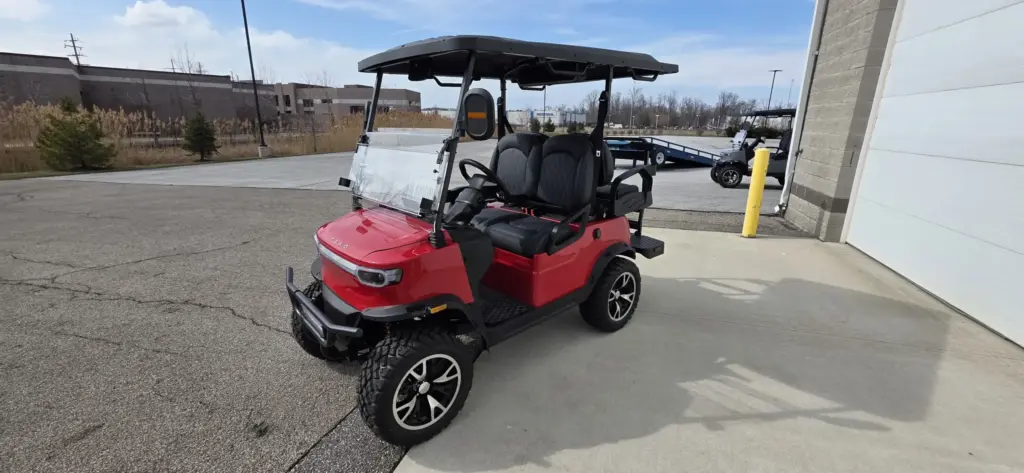
One of the biggest misconceptions surrounding is a UTV street legal is that buying a UTV automatically gives owners the right to drive it on public roads. In reality, most manufacturers design UTVs primarily for off-road environments such as trails, farms, hunting properties, campgrounds, and recreational areas. While these vehicles often include headlights and safety equipment, they may still lack components required for legal road operation. Manufacturers build UTVs to perform well in rugged terrain rather than comply with road-use regulations. As a result, owners frequently need additional modifications before a UTV qualifies for legal operation on public streets. Understanding this distinction early helps buyers avoid costly surprises and ensures they select a vehicle that matches both their recreational and transportation goals.
Street Legal Requirements Vary By State
The reason so many people search is a UTV street legal is because laws differ dramatically depending on location. Some states allow properly equipped UTVs to operate on designated public roads, while others restrict them almost entirely to off-road use. Even within states that permit street-legal UTVs, counties and municipalities often create their own rules regarding where and when these vehicles may be driven. Certain roads may remain prohibited because of speed limits, traffic volume, or safety concerns. This patchwork of regulations means owners should never assume that rules in one community apply everywhere else. Verifying local requirements before operating a UTV on public roads remains one of the most important responsibilities of ownership.
Required Equipment For Road Use
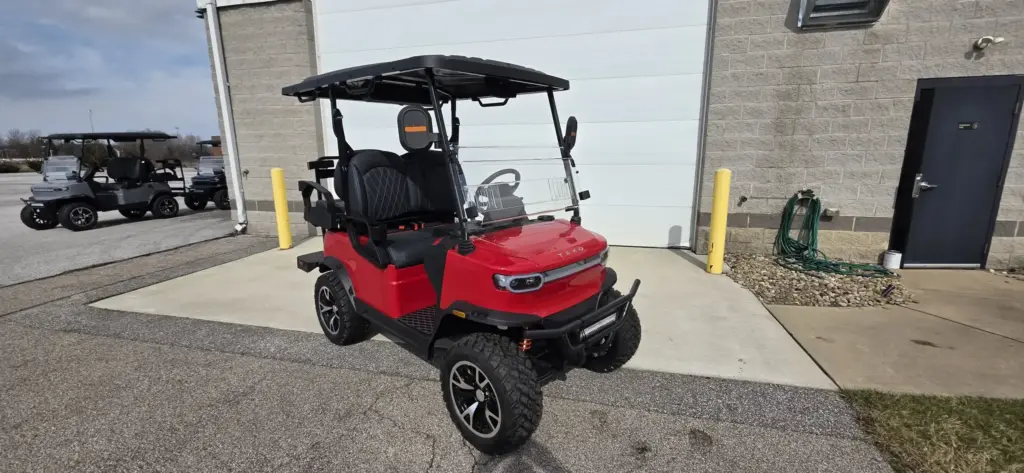
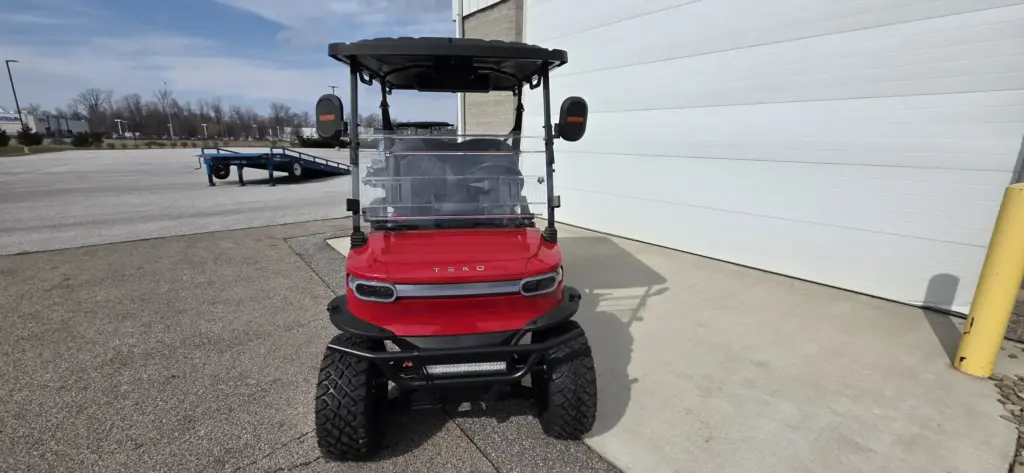
When researching is a UTV street legal, owners quickly discover that equipment requirements often determine whether road use is possible. Common requirements include headlights, taillights, brake lights, turn signals, mirrors, a horn, seat belts, and a windshield. Some jurisdictions may also require DOT-approved tires, reflectors, license plate illumination, and other safety features designed to improve visibility and communication with other drivers. These requirements exist because public roads present different risks than off-road trails. Vehicles sharing roads with passenger cars and trucks must meet higher safety standards. Completing necessary upgrades before seeking registration can simplify the approval process and improve overall driving safety.
Common Street Legal UTV Requirements
| Requirement | Purpose |
|---|---|
| Headlights | Nighttime visibility |
| Brake Lights | Traffic awareness |
| Turn Signals | Communication with drivers |
| Mirrors | Rear visibility |
| Seat Belts | Occupant protection |
| Horn | Warning capability |
| Windshield | Protection from debris |
| Registration | Legal compliance |
Registration Often Plays A Critical Role
Another major factor affecting is a UTV street legal involves registration. In many jurisdictions, adding equipment alone does not make a UTV legal for public-road operation. Owners may also need inspections, title verification, registration paperwork, and license plates. Registration processes vary considerably between states, with some creating special classifications for street-legal UTVs and others using broader off-highway vehicle programs. Because registration requirements can be complex, owners should research them before purchasing equipment or scheduling inspections. Understanding the registration process ahead of time often saves money and prevents frustration later.
Insurance Requirements May Apply
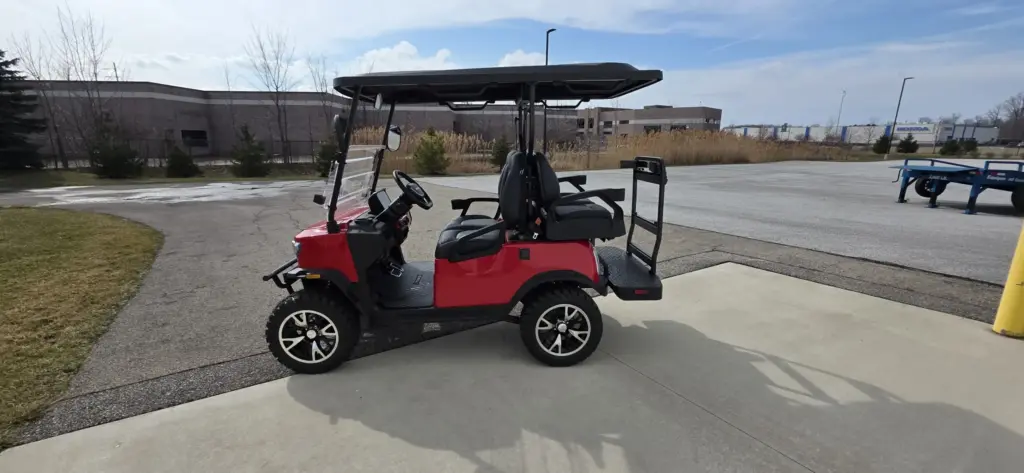
Many owners researching is a UTV street legal focus heavily on equipment upgrades while overlooking insurance requirements. Depending on location, liability insurance may be mandatory before a UTV can legally operate on public roads. Even when insurance is optional, many owners choose coverage because it helps protect against financial losses resulting from accidents, theft, or property damage. Road use generally introduces greater exposure to traffic and other hazards than off-road operation alone. For this reason, insurance becomes an important consideration for anyone planning to use a UTV beyond private property or designated trails.
UTVs Continue Growing In Popularity
The reason searches for is a UTV street legal continue increasing is because UTV ownership has expanded dramatically in recent years. Modern UTVs offer improved suspension systems, larger cargo capacities, advanced technology, and enhanced passenger comfort compared to earlier generations. Many property owners, hunters, farmers, and outdoor enthusiasts appreciate the versatility these vehicles provide. Buyers interested in capable utility and recreational transportation often explore the Landmaster UTV because it combines durability, utility, and off-road capability. As UTV ownership continues growing, interest in public-road access naturally follows.
Safety Should Always Remain The Priority
Whether a UTV is legally permitted on public roads or not, safety should remain the highest priority. UTVs handle differently than passenger vehicles and often have unique braking, suspension, and visibility characteristics. Drivers should wear seat belts, obey local traffic laws, avoid distracted driving, and operate at appropriate speeds. Public-road operation introduces challenges that many off-road riders may not encounter regularly. Owners seeking additional vehicle safety information can review resources provided by the National Highway Traffic Safety Administration. Understanding safe operating practices helps protect both occupants and other road users.
Local Rules Matter More Than General Advice
One of the most important lessons regarding is a UTV street legal is that local regulations ultimately determine what is allowed. Online articles and social media discussions can provide useful background information, but they should never replace official guidance from local authorities. Laws evolve as communities adapt to changing transportation needs and recreational trends. Owners should contact local DMV offices, law enforcement agencies, or municipal authorities whenever questions arise about road-use legality. Confirming current regulations before operating a UTV on public roads can prevent citations, fines, and legal complications.
Conclusion
If you are asking is a UTV street legal, the answer depends on your location, vehicle equipment, registration status, and local laws. While many areas allow properly equipped and registered UTVs on certain public roads, others continue restricting them to off-road environments. Understanding requirements before making modifications or driving on public streets helps avoid unnecessary expenses and legal issues. Proper equipment, registration, insurance, and safe driving habits all contribute to responsible UTV ownership. If you are considering a UTV for work, recreation, or property transportation, contact Mentor Golf Carts & Trailers for additional information and available inventory.