
Utility Task Vehicles have evolved from simple off-road work machines into versatile vehicles used for transportation, recreation, farming, hunting, and property management. As their popularity continues growing, many owners want to know how to make a UTV street legal so they can legally operate their vehicle on certain public roads. The answer is not always simple because street-legal requirements vary significantly by state, county, and municipality. Some states allow UTVs on public roads after specific modifications and registration requirements are met, while others restrict their use to designated roads or prohibit them from public streets entirely.
Understanding how to make a UTV street legal requires researching local regulations, installing required safety equipment, obtaining proper documentation, and meeting insurance requirements. Before investing in upgrades, every owner should verify local laws because the requirements that apply in one state may be completely different in another. Taking the proper steps helps owners enjoy expanded vehicle use while remaining compliant with local regulations.
Street-Legal UTV Requirements
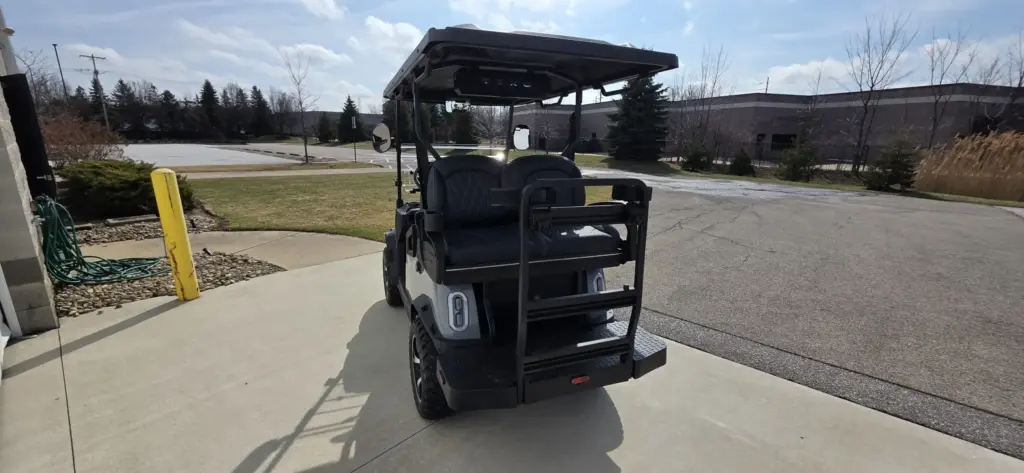
When researching how to make a UTV street legal, the first step is understanding that no universal national standard exists. Each state establishes its own regulations regarding off-road vehicle registration and public-road operation. Some states permit UTVs on public roads after modifications are completed, while others only allow operation on designated routes or specific local roads. Certain jurisdictions prohibit street use entirely regardless of modifications. Because regulations vary so widely, owners should begin by contacting their state’s motor vehicle agency or reviewing official transportation regulations. Understanding local requirements before purchasing equipment can save time and money while ensuring the vehicle will qualify for legal road use. Many owners make the mistake of installing equipment without first confirming whether their state even allows street-legal UTV conversions. Proper research should always be the foundation of the conversion process.
Headlights And Taillights Are Usually Required
One of the most common requirements associated with how to make a UTV street legal is installing approved lighting equipment. Most states require functioning headlights, taillights, brake lights, and turn signals before a UTV can operate legally on public roads. These systems allow drivers to communicate intentions to other motorists while improving visibility during low-light conditions. Many factory-equipped UTVs already include some lighting components, but owners may need to upgrade or supplement existing systems to meet local requirements. Brake lights are particularly important because they alert following drivers when the vehicle is slowing or stopping. Turn signals help communicate lane changes and turns. Properly functioning lighting systems not only support legal compliance but also improve overall roadway safety for everyone sharing the road.
Mirrors And Visibility Equipment Improve Road Safety
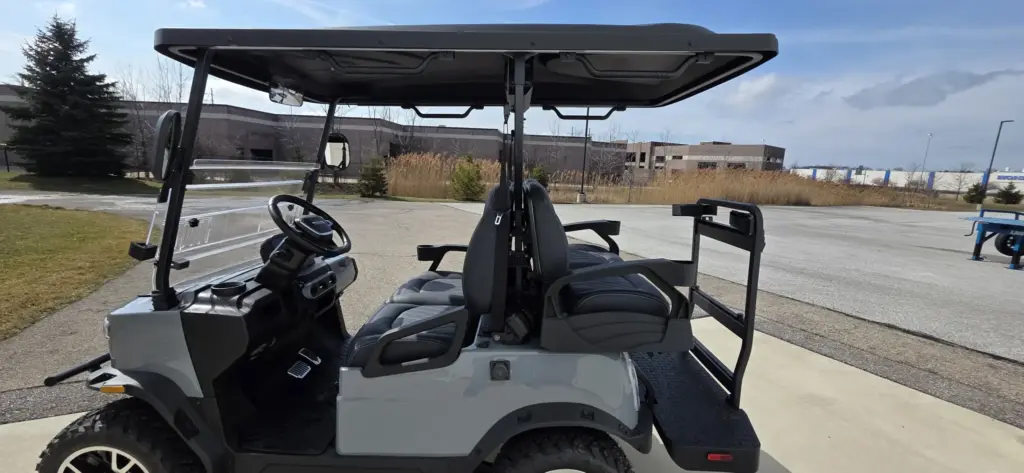
Visibility equipment represents another critical component of how to make a UTV street legal. Most jurisdictions require at least one rearview mirror and one or more side mirrors. These mirrors allow drivers to monitor surrounding traffic and reduce blind spots while operating on public roads. Some states specify minimum mirror sizes or placement requirements. In addition to mirrors, certain jurisdictions require windshields made from approved materials. Other areas may permit eye protection as an alternative under specific conditions. Windshield requirements can also trigger additional rules involving windshield wipers and washers. Because visibility standards vary by location, owners should verify all requirements before purchasing equipment. Meeting these standards helps improve safety while increasing the likelihood of passing inspections and receiving registration approval.
Seat Belts And Occupant Protection Matter
Safety equipment plays a major role in how to make a UTV street legal. Most UTVs already include seat belts and rollover protection structures because manufacturers recognize the importance of occupant safety. However, owners should inspect these systems carefully before applying for street-legal registration. Damaged seat belts, modified safety systems, or missing components may cause inspection failures. Some jurisdictions may require specific occupant protection features depending on vehicle classification. Seat belts help reduce injury risk during accidents, while rollover structures provide additional protection if the vehicle overturns. Even when local regulations do not specifically mandate certain equipment, maintaining all factory-installed safety systems is strongly recommended. Safe operation remains one of the most important responsibilities associated with public-road vehicle use.
Owners seeking guidance on safe operation and responsible UTV ownership often review educational resources provided by the Recreational Off-Highway Vehicle Association, which offers valuable information about vehicle safety and operating practices.
Registration And Titling Requirements Must Be Completed
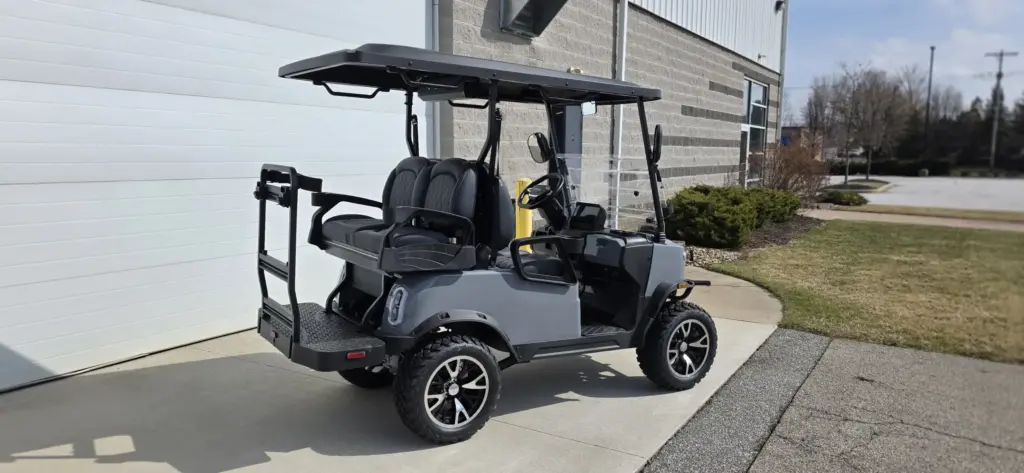
Many people researching how to make a UTV street legal focus heavily on physical modifications while overlooking paperwork requirements. Registration and titling often play an equally important role in the approval process. States that permit street-legal UTVs generally require proof of ownership, title documentation, VIN verification, registration applications, and payment of applicable fees. Some states classify converted UTVs differently from traditional off-road vehicles and may require special registration categories. Owners should ensure that all ownership records are accurate and up to date before beginning the registration process. Missing titles, incomplete paperwork, or ownership discrepancies can significantly delay approval. Maintaining organized documentation helps streamline the process and reduces the likelihood of administrative complications.
Insurance Is Frequently Required
Insurance requirements are another major factor when considering how to make a UTV street legal. In many jurisdictions, liability insurance is required before registration can be issued. Insurance helps protect both the vehicle owner and other motorists by providing financial protection if an accident occurs. Depending on the policy, coverage may include liability, collision, comprehensive protection, uninsured motorist coverage, and medical payments. Owners should contact insurance providers experienced with recreational and utility vehicles to determine available coverage options. Comparing policies carefully helps ensure adequate protection while avoiding unnecessary expenses. Proof of insurance is often required during registration and may need to be maintained continuously while the vehicle remains legally registered for roadway use.
Tires And Roadworthy Equipment Need Attention
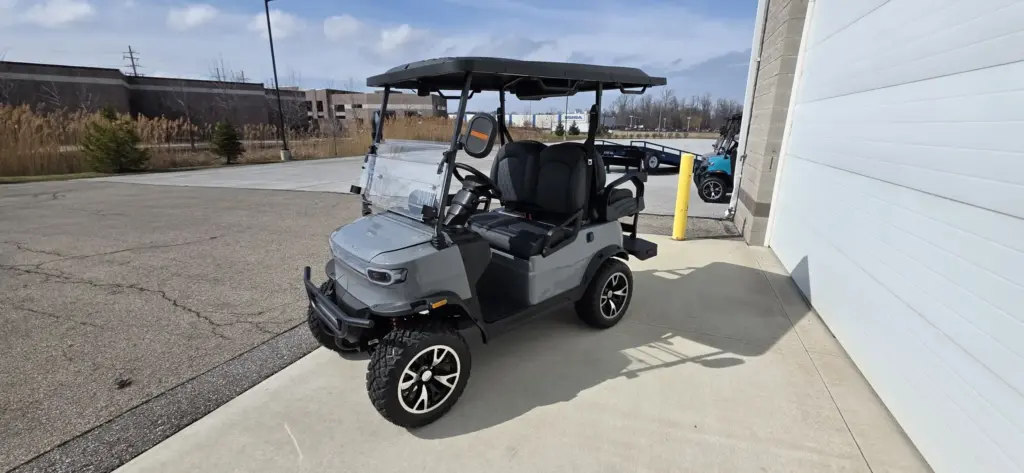
Many owners are surprised to learn that tire selection can affect how to make a UTV street legal. Some states require DOT-approved tires that meet standards for public-road operation. Off-road-only tires may not qualify for street use because they were not designed for paved-road performance. In addition to tires, states may inspect other roadworthy components such as brakes, steering systems, horns, reflectors, and license plate illumination. Ensuring that all mechanical systems operate properly before inspection improves the chances of approval. Owners should also verify that any aftermarket modifications comply with local regulations. Roadworthy equipment requirements exist primarily to improve safety and reduce risks associated with operating off-road vehicles in mixed traffic environments.
Choosing The Right UTV Can Simplify The Process
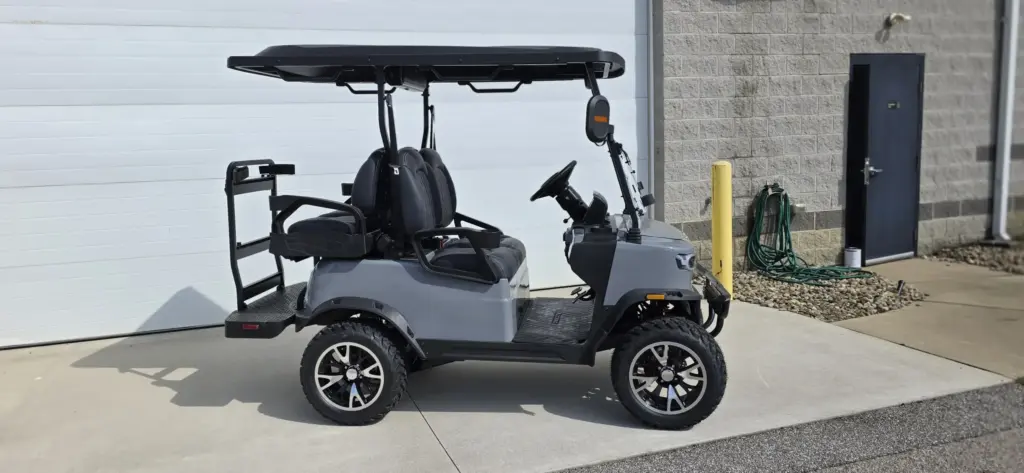
Not every UTV requires the same level of modification to become street legal. Some models already include many of the features commonly required for registration and inspection. Buyers who anticipate future road use often benefit from selecting a well-equipped vehicle from the start. Utility-focused vehicles that include lighting systems, safety equipment, and durable construction may require fewer upgrades. Property owners and outdoor enthusiasts can explore available UTV inventory to compare models designed for work, recreation, and transportation. Evaluating street-legal potential during the purchasing process can reduce future conversion costs while improving long-term ownership satisfaction.
Inspections Verify Compliance Before Approval
Many states require formal inspections before approving street-legal registration. Inspectors typically verify lighting systems, mirrors, brakes, tires, seat belts, VIN information, and other required components. Passing inspection demonstrates that the vehicle meets applicable safety standards for roadway use. Owners should review inspection checklists carefully and address any deficiencies before scheduling an appointment. Preparing thoroughly helps avoid failed inspections and unnecessary delays. Some jurisdictions require periodic inspections after initial approval, while others only inspect vehicles during the registration process. Understanding inspection requirements early helps owners plan appropriately and avoid unexpected complications.
Conclusion
Learning how to make a UTV street legal involves much more than simply adding a few accessories. Owners must understand local laws, install required safety equipment, complete registration and titling requirements, secure insurance coverage, and pass inspections where required. Because regulations vary significantly by location, researching local requirements should always be the first step. A properly converted UTV can provide valuable transportation flexibility while remaining compliant with applicable laws. Careful planning helps avoid unnecessary expenses and improves the likelihood of successful approval. For assistance exploring utility vehicle options and finding the right vehicle for your needs, visit Mentor Golf Carts & Trailers and speak with experienced professionals about available inventory and solutions.