
One of the most common questions new buyers and current owners ask is how fast can a golf cart go. Speed matters for several reasons. It affects safety, neighborhood usability, legal road access, and overall driving experience. While golf carts were originally designed for low speed use on golf courses, modern models can travel much faster depending on configuration, motor type, and legal classification.
The answer to how fast can a golf cart go depends on whether the cart is standard, modified, electric, gas powered, or classified as a low speed vehicle. In this guide, we will break down typical speed ranges, what affects golf cart speed, legal limits, safety considerations, and what owners should know before attempting modifications.

Average Speed Of A Standard Golf Cart
When asking how fast can a golf cart go, the starting point is the standard factory setting. Most traditional golf carts are designed to travel between 12 and 15 miles per hour. This speed is intentional. Golf courses require controlled movement to ensure safety for pedestrians and players.
Both gas and electric carts in stock configuration typically fall within this range. Manufacturers install speed governors or electronic controllers to limit acceleration. These controls help maintain consistent operation and reduce wear on drivetrain components.
How Fast Can A Golf Cart Go In Street Legal Form
If a golf cart is upgraded and classified as a Low Speed Vehicle, the answer to how fast can a golf cart go changes. Low Speed Vehicles, often referred to as LSVs, are federally defined as four wheeled vehicles with a top speed between 20 and 25 miles per hour. According to the National Highway Traffic Safety Administration guidelines for Low Speed Vehicles at NHTSA.gov, LSVs must meet certain safety requirements including headlights, turn signals, mirrors, seat belts, and a VIN number.
Street legal golf carts are typically limited to a maximum of 25 miles per hour. They are allowed on roads with posted speed limits of 35 mph or lower in many jurisdictions, though local laws vary.
Electric vs Gas Golf Cart Speed
Many people wonder if electric carts are slower than gas carts when researching how fast can a golf cart go. In modern designs, both can achieve similar top speeds. Electric carts often provide smoother acceleration and consistent torque, while gas carts may maintain speed over longer distances without recharge concerns. Stock versions of both types usually remain within the 12 to 15 mph range. Modified versions can reach 20 to 25 mph depending on upgrades. However, higher speeds require proper controller adjustments, upgraded motors, and often enhanced braking systems.
Speed Comparison Chart
The chart below outlines general speed ranges based on cart type and configuration.
| Golf Cart Type | Typical Top Speed | Street Legal Eligible | Common Usage |
|---|---|---|---|
| Standard Golf Cart | 12 – 15 MPH | No | Golf Courses, Private Property |
| Modified Golf Cart | 18 – 22 MPH | Sometimes | Neighborhood Use |
| Low Speed Vehicle (LSV) | 20 – 25 MPH | Yes | Roads Under 35 MPH |
This table helps clarify realistic expectations when evaluating how fast can a golf cart go under different setups.
What Determines Golf Cart Speed
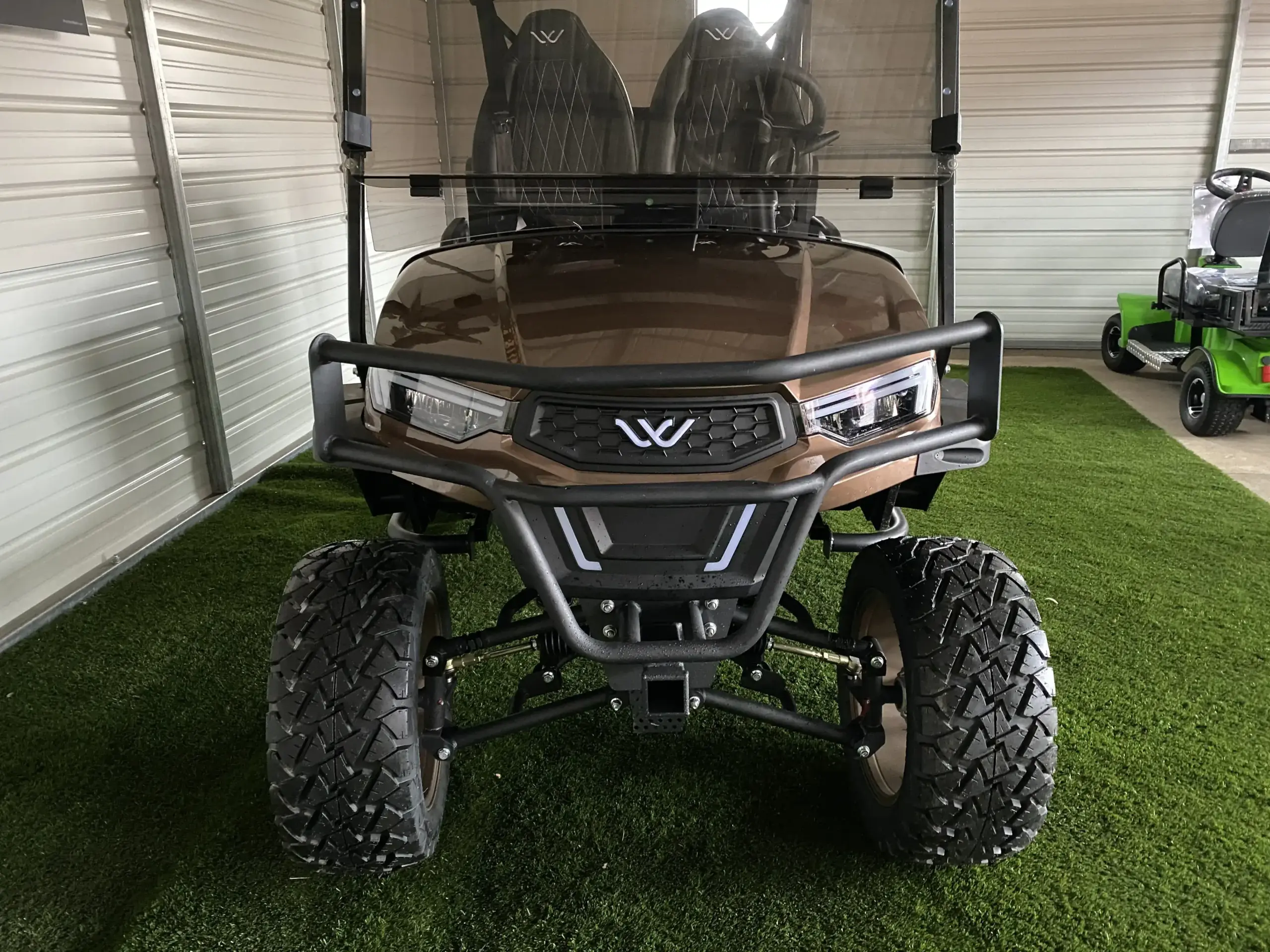
Several factors influence how fast can a golf cart go. The most important include motor power, controller settings, battery voltage, tire size, and gear ratio. Electric carts rely on voltage and controller programming to regulate output. A 48 volt system typically provides more power than a 36 volt system. Battery condition also matters. Weak batteries reduce acceleration and limit top speed. Proper maintenance ensures consistent performance. Owners looking for service or battery upgrades can review available options at Mentor Golf Carts and Trailers.
Can You Increase Golf Cart Speed
It is possible to increase speed, but it must be done responsibly. When modifying how fast can a golf cart go, owners often adjust the speed governor on gas carts or reprogram electronic controllers on electric carts. Larger tires may also increase speed slightly, though they can affect torque. However, increasing speed without upgrading brakes, suspension, and safety equipment can create hazards. Higher speeds require greater stopping distance and more stable handling. Any modifications should prioritize safety and compliance with local regulations.
Legal Considerations For Speed
Local and state regulations determine where and how fast a golf cart can legally travel. Some communities allow carts on certain roads, while others restrict use to private property. If upgraded to Low Speed Vehicle classification, additional requirements apply. The Federal Motor Vehicle Safety Standards outline equipment requirements for LSVs. Reviewing local transportation guidelines ensures compliance before modifying how fast can a golf cart go.
Safety And Practical Speed Limits
Even if a cart can technically reach 25 mph, safe operation depends on environment. Residential neighborhoods with pedestrians, pets, and parked cars require caution. Golf carts have higher centers of gravity than many vehicles, so sharp turns at high speeds can increase rollover risk. Understanding how fast can a golf cart go should always be balanced with understanding how fast it should go for safe operation. Smooth acceleration and controlled driving protect passengers and extend equipment lifespan.
Battery Voltage And Speed Relationship
Electric golf carts depend heavily on battery voltage for speed and torque. A 48 volt system typically provides stronger acceleration compared to a 36 volt system. Lithium battery upgrades can also improve performance consistency by delivering stable voltage under load. However, increasing voltage beyond factory design requires professional guidance to avoid damaging electrical components. Proper installation ensures both safety and reliability.
Understanding Road Regulations And Community Rules
Before increasing speed or driving on public roads, it is important to research local and state regulations. While federal guidelines define Low Speed Vehicles, individual states and municipalities determine where carts may legally operate. Some neighborhoods allow golf carts on designated streets, while others restrict use to private property only. Speed limits, required safety equipment, and registration rules vary by location. Staying compliant not only protects drivers and passengers but also prevents fines, liability issues, and insurance complications that can arise from improper road use.
Conclusion
So how fast can a golf cart go? A standard golf cart typically travels between 12 and 15 mph. Modified carts may reach 18 to 22 mph. Street legal Low Speed Vehicles are generally limited to 20 to 25 mph depending on classification. Speed varies based on motor type, battery voltage, controller setup, and legal requirements. If you are comparing options for personal, recreational, or street legal use, explore the golf carts and trailers currently available at Mentor Golf Carts and Trailers to see what fits your needs.